Showing posts with label Scotland. Show all posts

Wednesday, July 26, 2006

SCOTLAND - AUGUST 1980 - III

HEADING SOUTH, TO GRETNA GREEN AND A RUNAWAY MARRIAGE


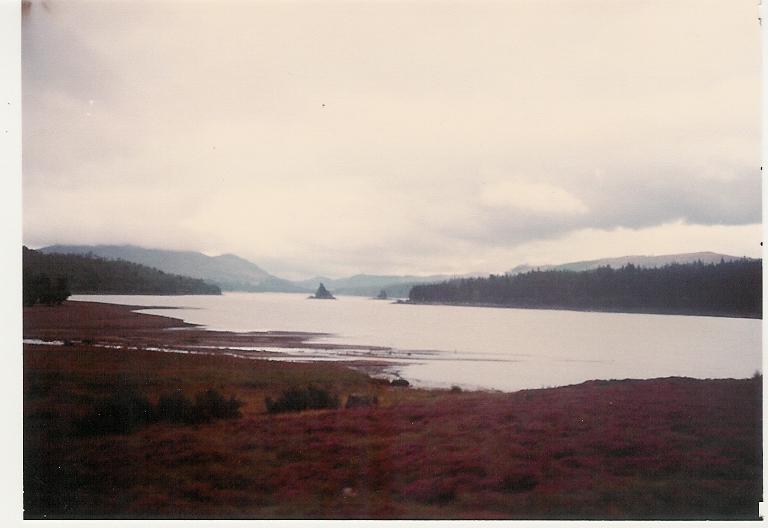
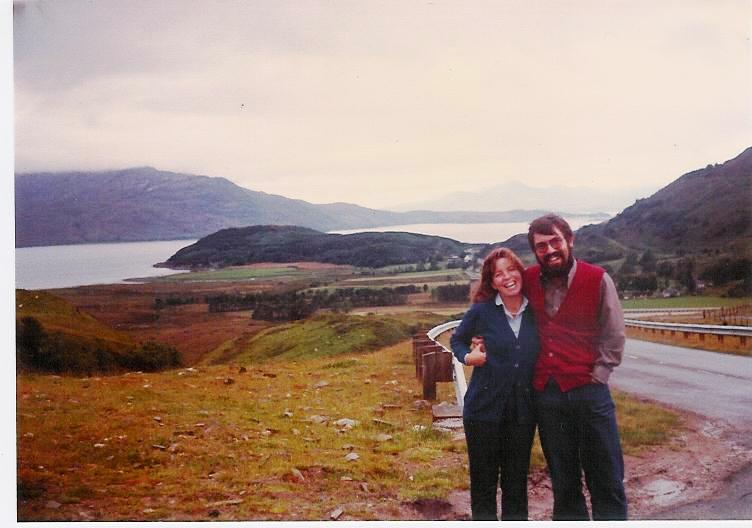
"LOCH DUICH - is a sea loch situated on the western coast of Scotland, in the Highlands. A sea loch may be perceived also as a fjord, estuary, bay or sea inlet. In the distance, the Isle of Skie can be seen"
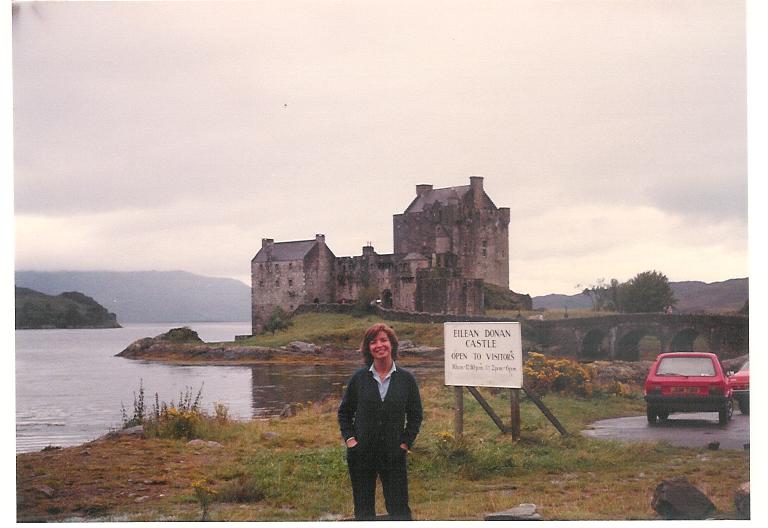

"EILEAN DONAN CASTLE - Although the island of Eilean Donan has been a fortified site for at least 800 years, the present building largely dates from the early 20th century. Today's castle, which rose from the ruins of its predecessor, was re-built between 1912 and 1932 by Lieutenant Colonel John MacRae-Gilstrap"
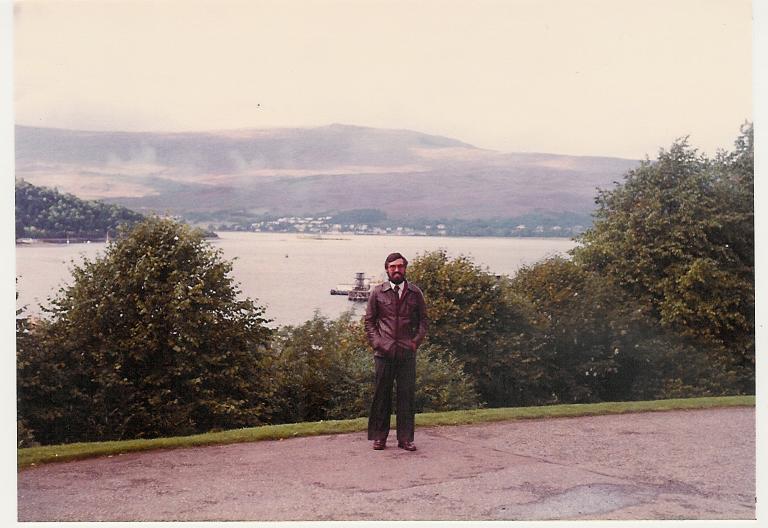

"FORT WILLIAM - the outdoor capital of the UK"
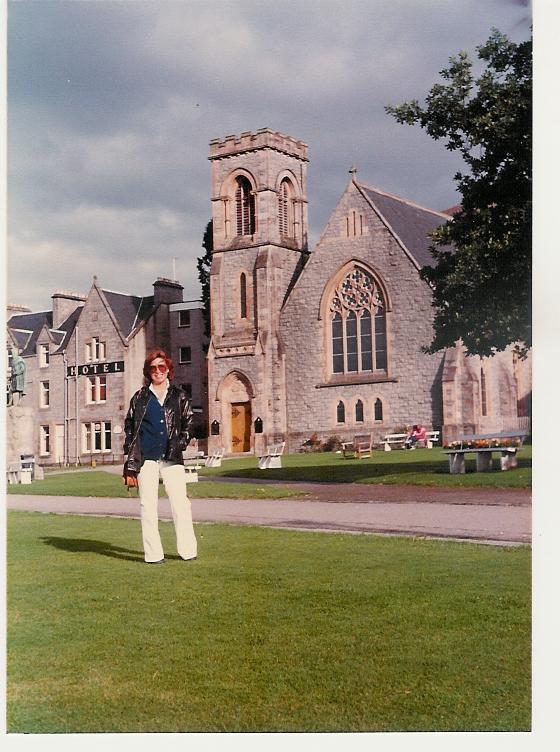

"FORT WILLIAM - is the largest town in the west Highlands of Scotland and is the commercial centre of Lochaber, an area renowned for magnificent scenery with an important history. It has the highest mountain in the UK - Ben Nevis, and Loch Morar - the deepest loch"


"GLENCOE - In the heart of the Scottish Highlands"
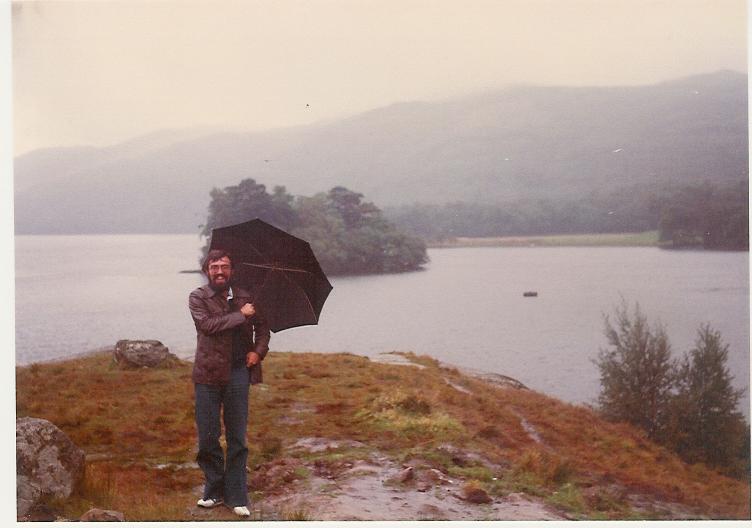

"LOCH LOMOND - one of Scotland’s most idyllic and unspoilt areas. Unspoilt? Why not, just look at this Summer picture"


"GRETNA GREEN - is a small town in the south of Scotland, on the border with England. It's fame came from the BLACKSMITH'S SHOP, known for the runaway marriages"


"GRETNA GREEN HALL HOTEL - which claims to be the original marriage house"
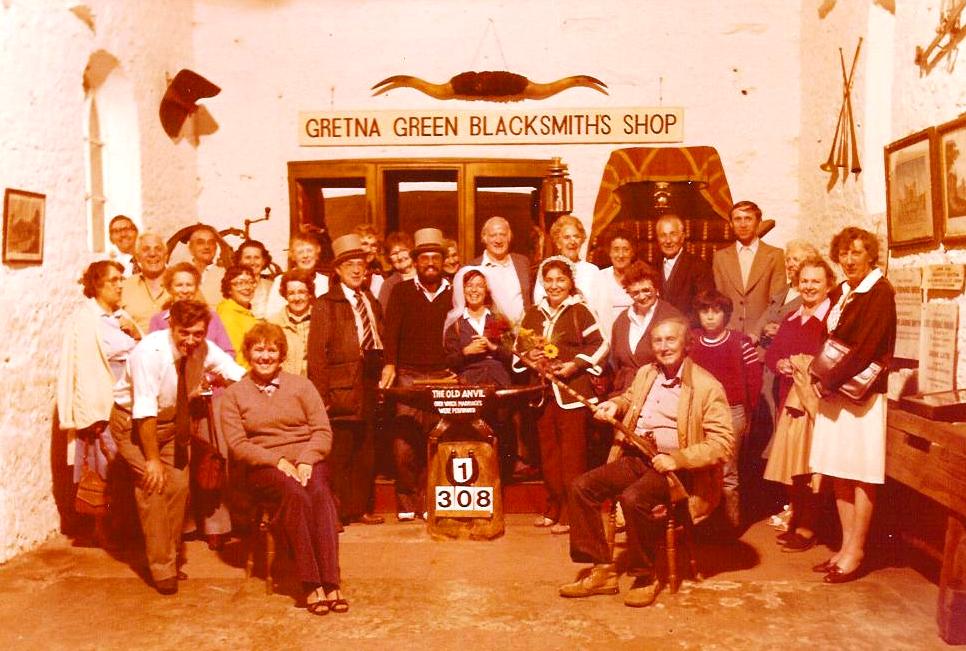

"GRETNA GREEN - THIS EXPLAINS ALL. The runaway marriages began in 1753 when an Act of Parliament, Lord Hardwicke's Marriage Act, was passed in England, which stated that if both parties to a marriage were not at least 21 years old, then consent to the marriage had to be given by the parents. This Act did not apply in Scotland where it was possible for boys to get married at 14 and girls at 12 years old with or without parental consent. Since 1929 both parties have had to be at least 16 years old but there is still no consent needed. In England and Wales the ages are now 16 with consent and 18 without. This led to many elopers fleeing England and making for the first Scottish village they came to — Gretna Green. The blacksmith's shop, built around 1712, became the focal point for the marriage trade, and the basis for interesting Private International Law studies"

SCOTLAND - AUGUST 1980 - II

UP NORTH, LAND OF LOCHS AND MUNROS, UNDISCOVERED SCOTLAND


“THE TROSSACHS - Scotland's recently designated first National Park, was officially opened by Princess Anne on 24 July 2002. It is an area of contrasts where many lochs and rivers can be found; here, we see LOCH KATRINE. The scenery of the Trossachs was the inspiration and setting for Walter Scott’s book «The Lady of the Lake» (1810)"


“PITLOCHRY - From this picture nobody would say that we are facing a «delightful Victorian town nestling in the Perthshire Highlands amidst some of the most beautiful scenery in Europe», as one can read in the tourist brochures. It seems, however, that Pitlochry has been a popular holiday resort for over a hundred years"


"LOCH LAGGAN - One of the many lochs, and a scenic one, in Scotland"


"LOCH NESS - Home to the NESSIE, the Loch Ness monster, said to have been sighted since the 6th century a.d. During the late 50's and the 60's of last century, we used to have lots of news of sightings on papers and on TV. Now it rarely appears on media, but there is a site to entertain folks: The legend of Nessie


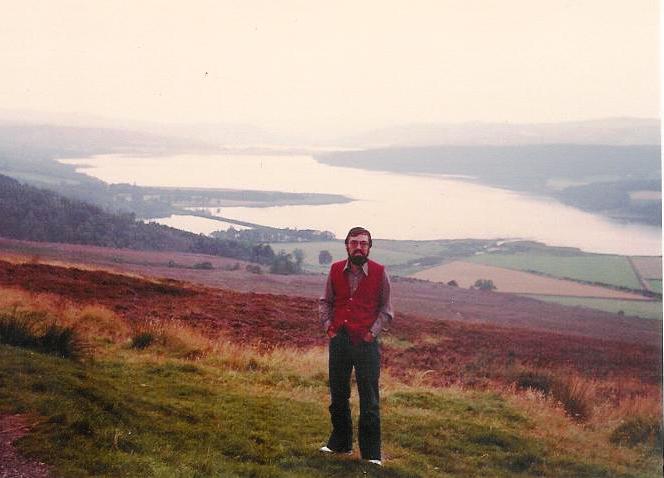
"DORNOCH FIRTH"


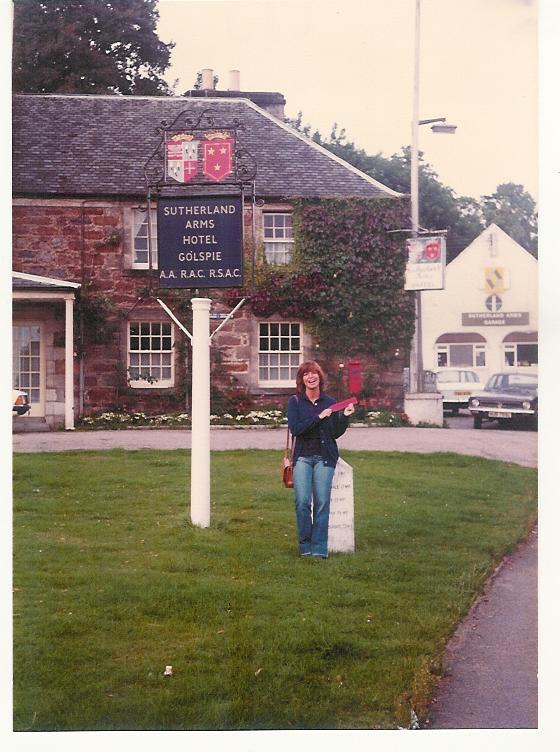
"GOLSPIE - The story of Golspie is largely dependent on the story of the Dukes of Sutherland, who, at the beginning of the 1800s, owned the largest private estate in Europe. Here you see the Sutherland Arms Hotel, a very nice memory of this trip"


"DUNROBIN CASTLE - the most northerly of Scotland's great houses and certainly one of the most majestic. It is the largest house in the Northern Highlands, and is one of Britain's oldest continuously inhabited houses, dating in part from the early 1300s"


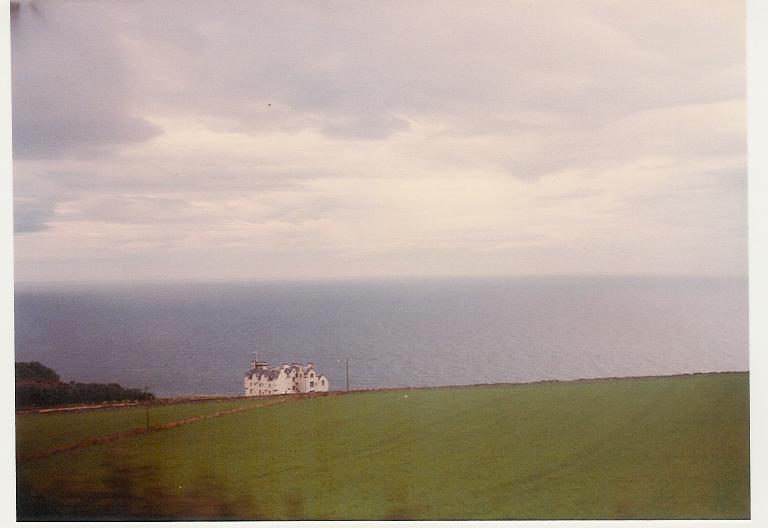
"DUNBEATH CASTLE - spectacularly located on a promontory, this 15th Century castle remains a private residence"


"THURSO - mainland Scotland's most northerly town, and home to the UK's most northerly railway station, was home to the Vikings, who were established here from as early as the 900s."


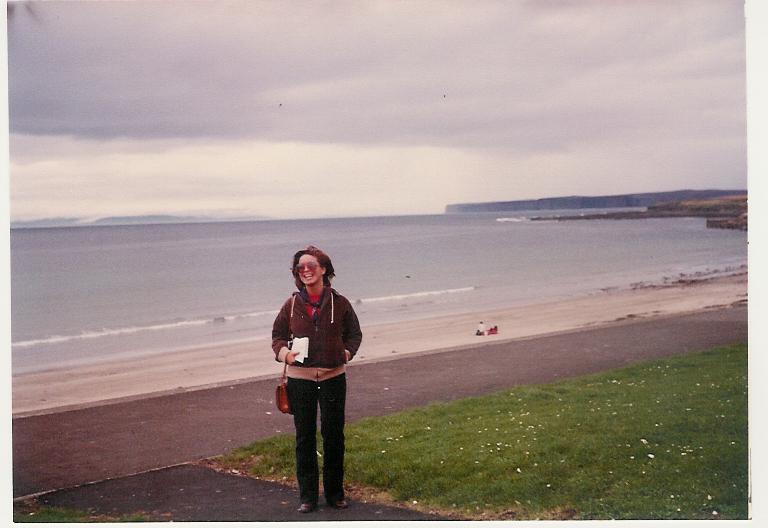
"THURSO - Even if someone says the surf might be interesting, don't go to the beach here. look how it looks by the end of ... August"


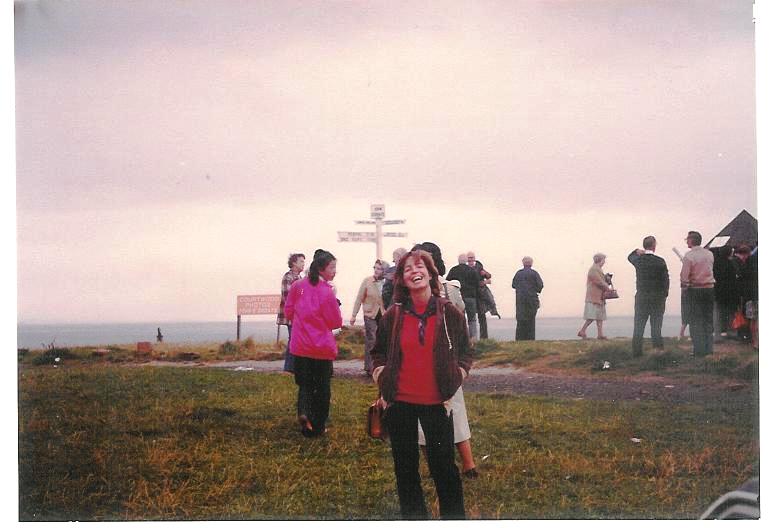
"JOHN O'GROATS - named after a Dutchman, Jan de Groot, who was granted, by King James IV in 1496, the ferry franchise between this harbour and Orkney. The sign above the harbour says it's 874 miles from Land's End (Cornwall)"


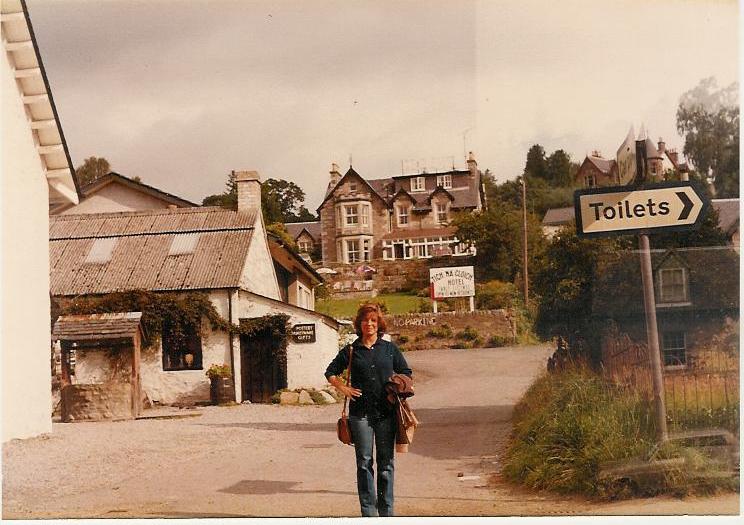
"JOHN O'GROATS - The place seems to have been improved since this visit with Mutsumi and Virginia. The hotel is expected to engage in renovation, but sadly it's unclear when this will happen, and for the time being remains closed"

SCOTLAND - AUGUST 1980 - I

GOING UP THERE, TO THE LAND OF SCOTS

ON THE ROAD TO EDINBURGH


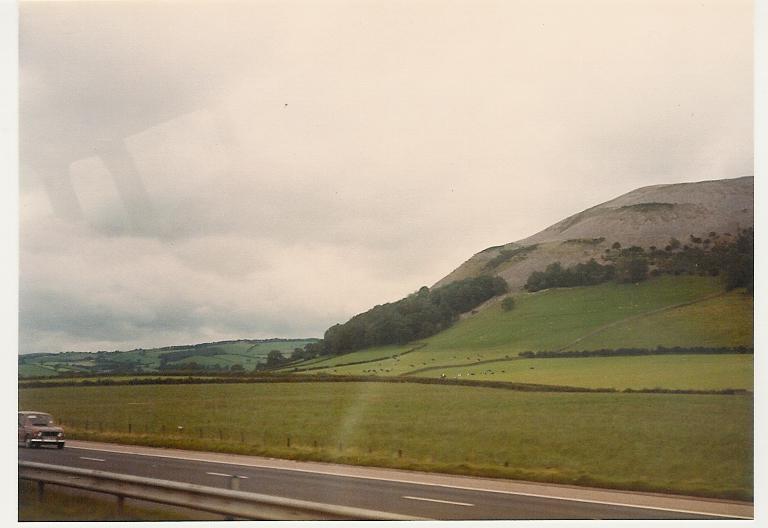
"A6 - Driving on the left, under the clouds, in Summer"


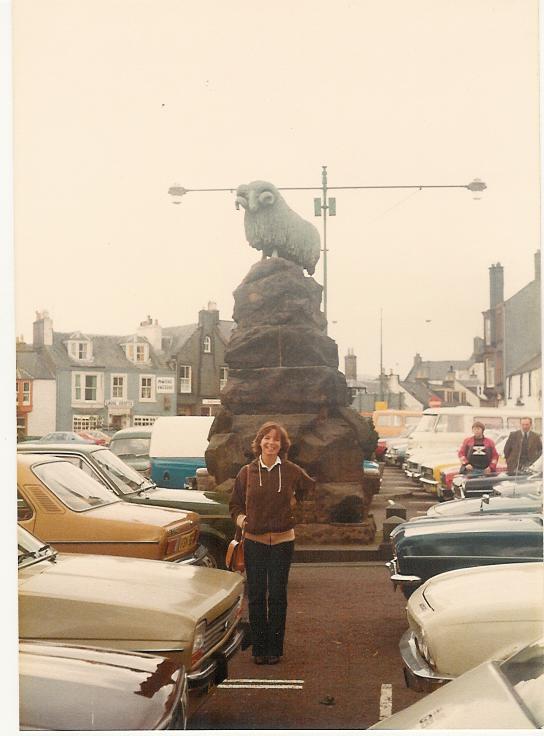
"MOFFAT - The Moffat Ram... In 1875 the businessman William Colvin decided to present a statue of a Blackface Ram and a fountain to Moffat. The Ram was cast by William Brodie, the sculptor, without ears - 'it has nae lugs' - an omission that led to folklore that William Brodie committed suicide"


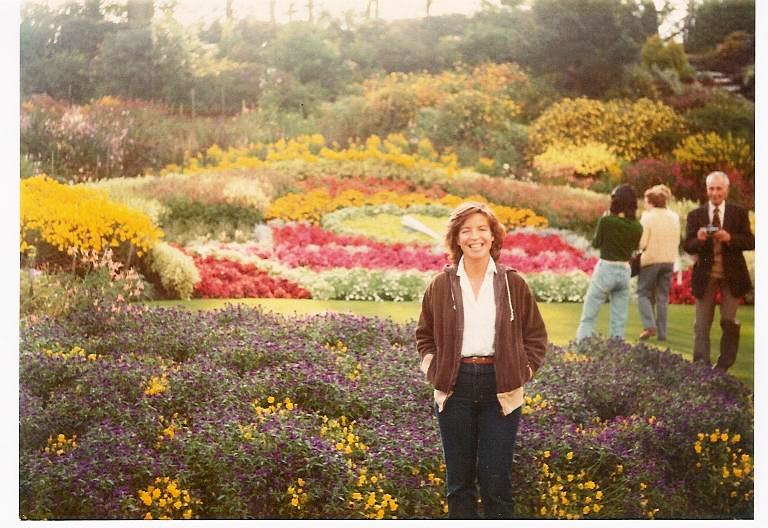
"MOFFAT - Garden, no reason to commit suicide"


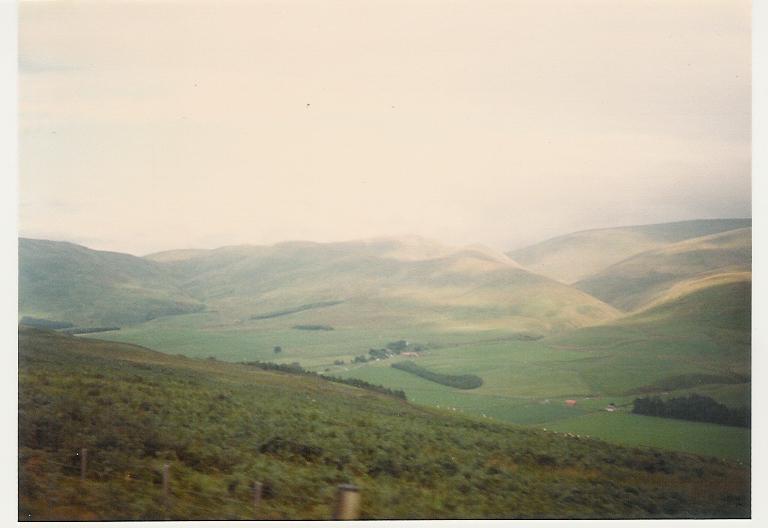
"TWEEDSMUIR - a magical place to visit"

EDINBURGH


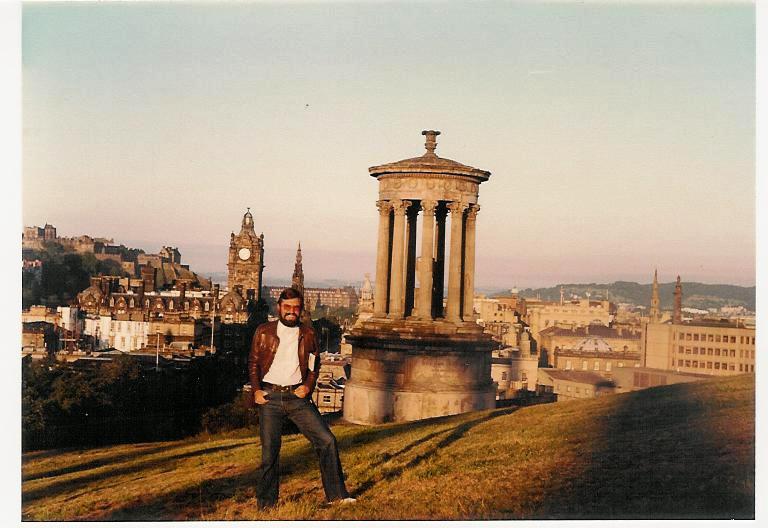
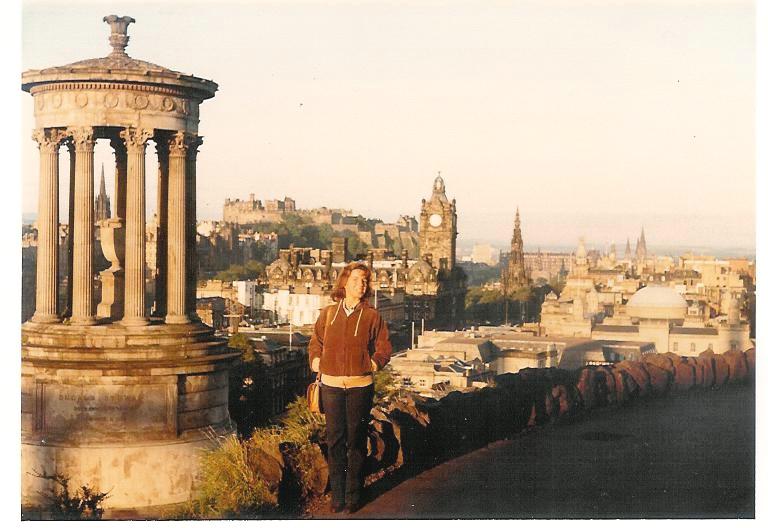
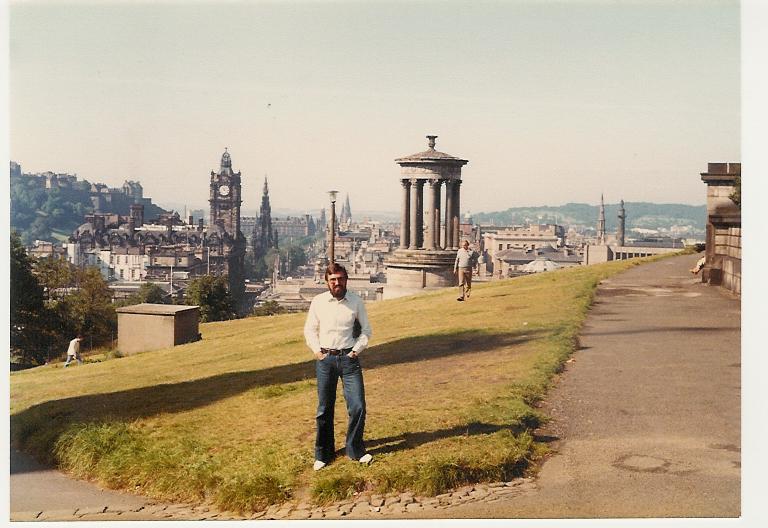
"The DUGALD STEWART MONUMENT at 7:00 AM. Everything seems a bit distorted"


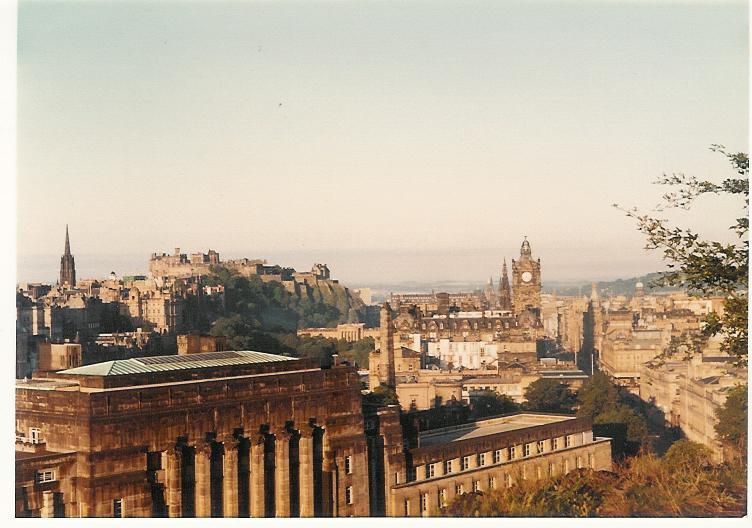
"CALTON HILL, the best vantage point in town. Noel, from Australia, was arriving"


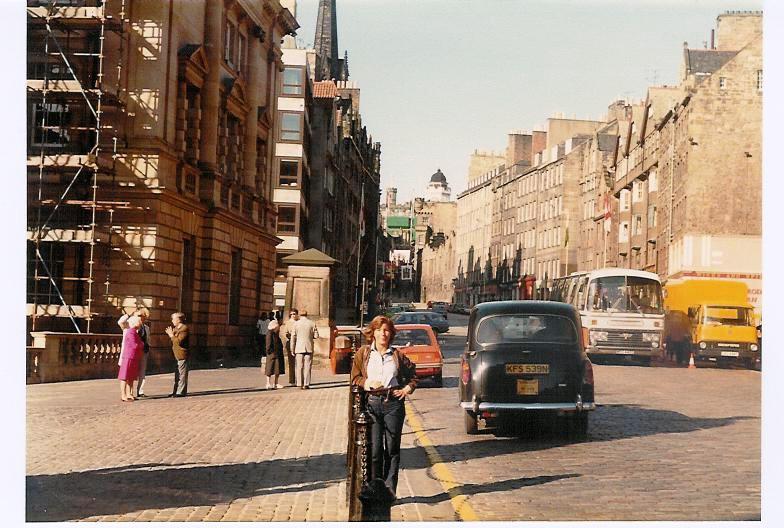
"ROYAL MILE, Princes Street, on the way to the Castle and to the Military Tattoo"


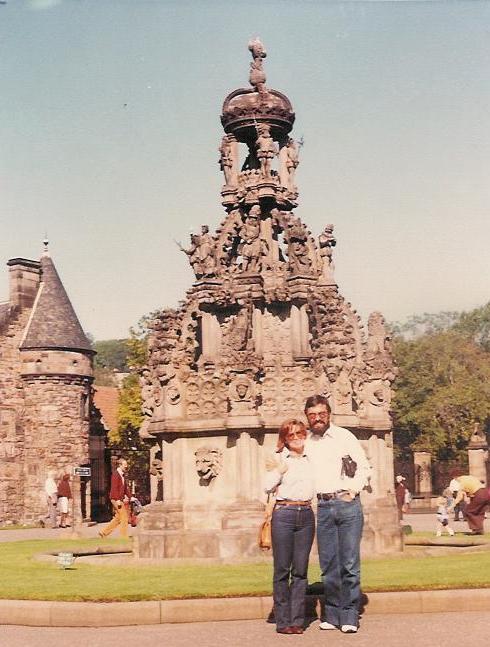
"HOLYROODHOUSE - Founded as a monastery in 1128, the Palace is The Queen's official residence in Scotland"

TRAVELLING FURTHER NORTH


"QUEENSFERRY BRIDGE, now known as the Forth Rail Bridge, was opened on 4 March 1890"


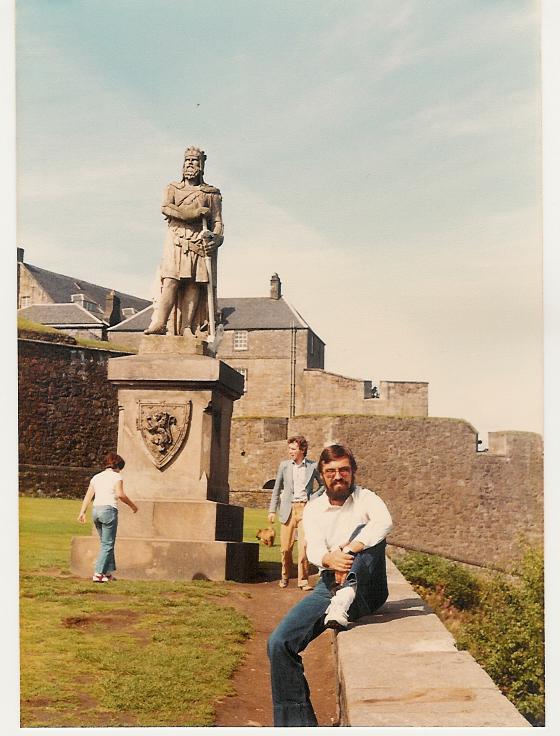
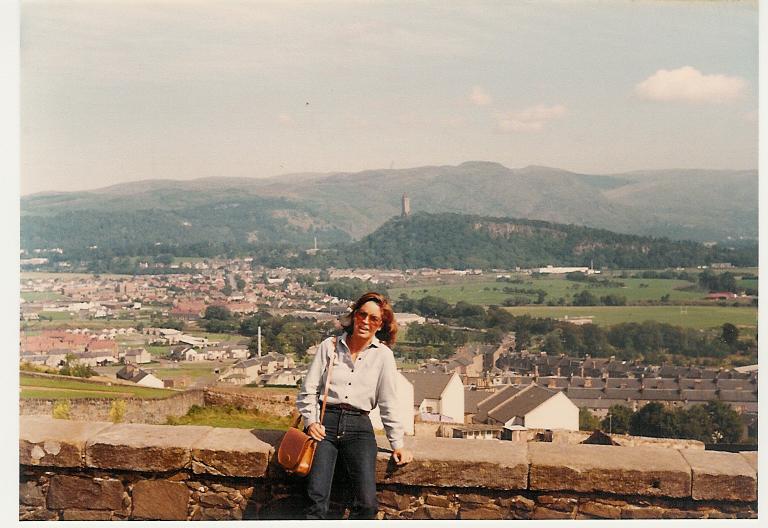
"STIRLING CASTLE - Situated at the head of Stirling's Old Town, mounted high on an old volcanic outcrop, it is the most strategically important of all the castles in Scotland. No one can confirm when Stirling castle was first built, but references to it begin to appear in historical records of the early 12th Century"


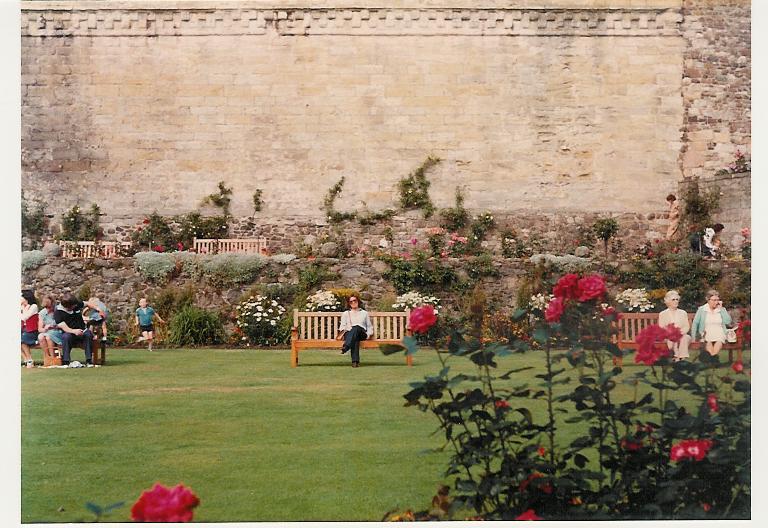
"STIRLING - Three generations, and flowers!"