Helsinki, a city of contrasts, and probably one where the changes in the last 30 years are more evident, was founded by King Gustav Vasa of Sweden in 1550 on the mouth of the Vantaa River. One hundred years later its centre was moved to the current location, where deeper waters allowed larger boats to dock, and Helsinki to better compete for the trade in the Baltic Sea .
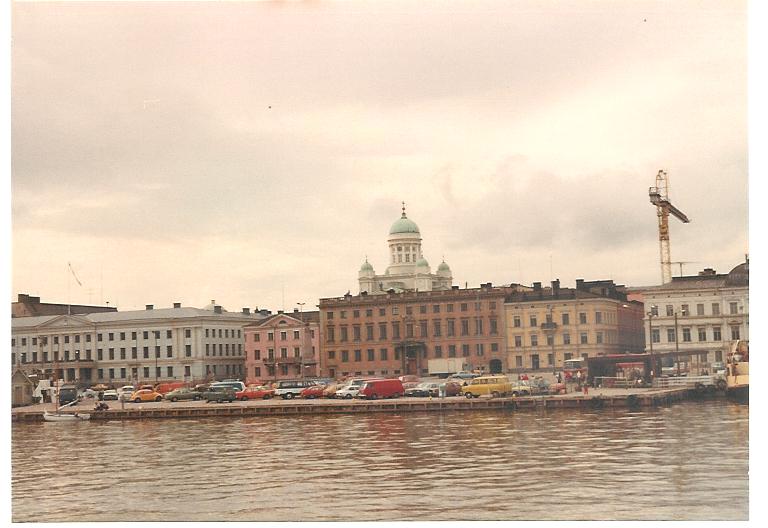
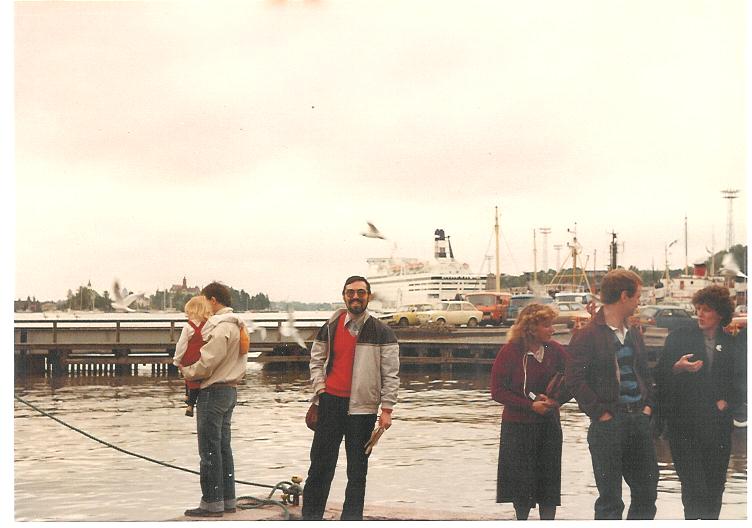
"THE PORT - Where everything started"
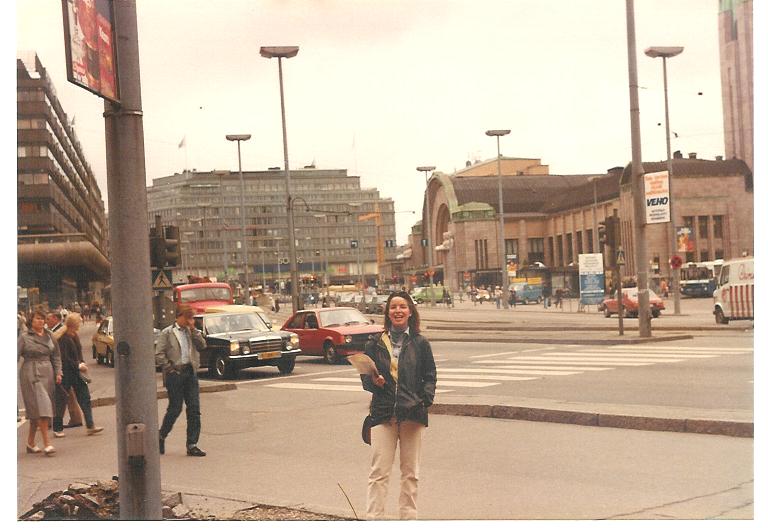
"CENTRAL STATION - If you do not travel by boat or plane, there is a chance you use this building in the heart of the city"
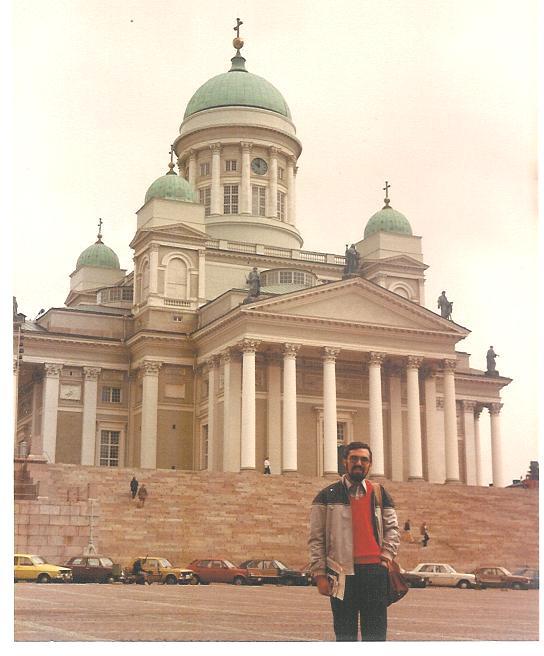
"THE CATHEDRAL, then and still THE city's most famous postcard. Located in the Senate Square is one of the three buildings in the area designed by Engel between 1822 and 1852, the others being the Government Palace and the University"
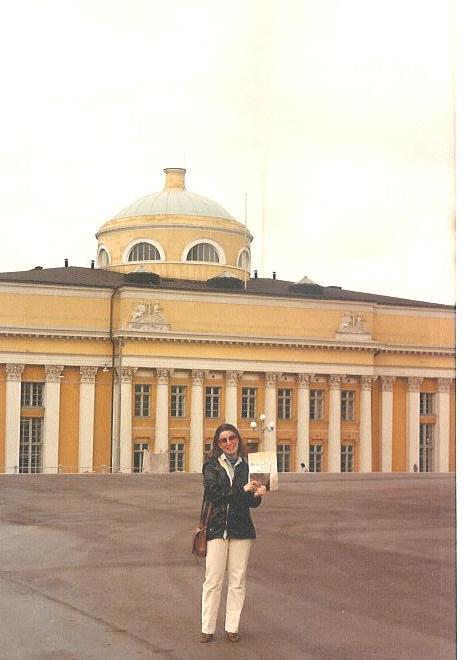
"UNIVERSITY LIBRARY- Another of the buildings from Engel, looking pretty young in favourite colour"

"MARKET at Market Square is Helsinki's best known market, selling everything from food to souvenirs"
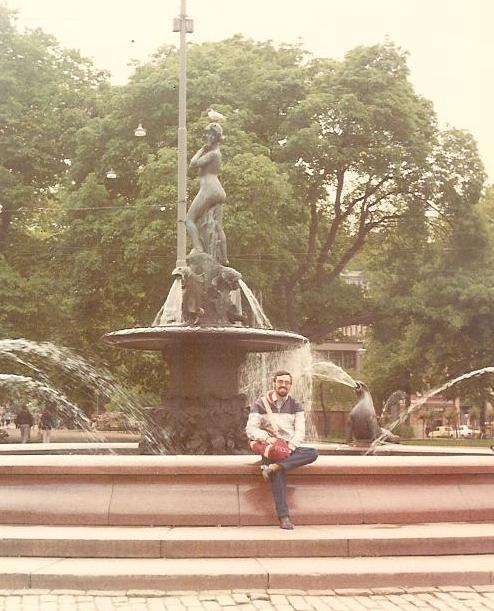
"HAVIS AMANDA, aka MANTA- She could have come directly from a Rubens painting. However it is a work from Ville Vallgreen, finished in 1905 in Paris. According to Vallgren the 5-meter high bronze figure symbolises Helsinki and it's re-birth. It seems that Manta's nakedness initially shocked, and raised strong criticism by Helsinki women. Later, however, good sense seems to have prevailed"

"ESPLANADE - Located in the heart of downtown, the Esplanade is a haven of peace for locals, as well as a promenade for tourists. It has also a stage for live music performances (in summer)"
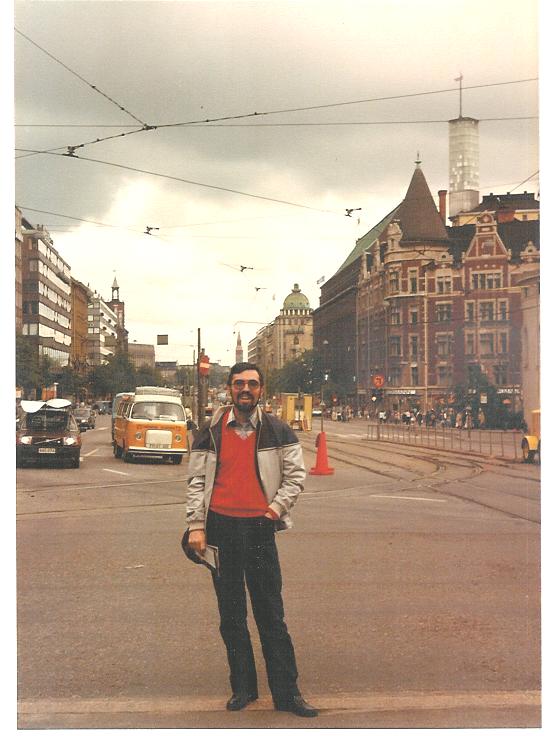
"DOWNTOWN (Mannerheimintie) - Not particularly busy on those times"
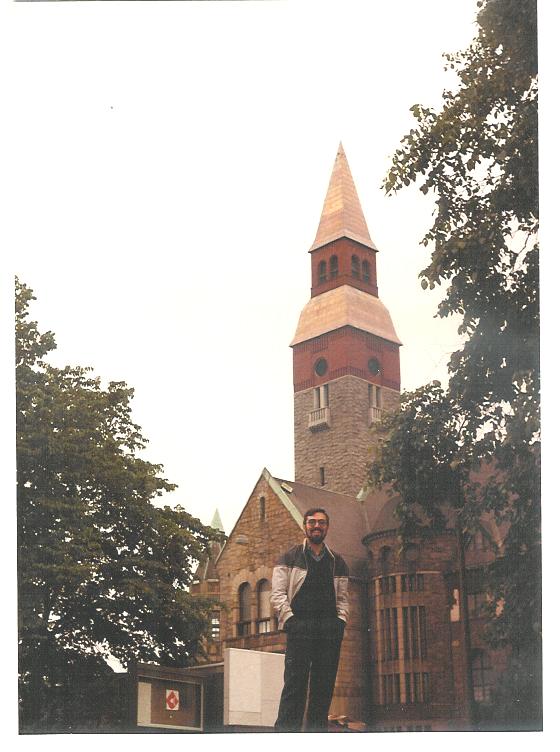
"NATIONAL MUSEUM - The National Museum of Finland presents Finnish life from prehistoric times to the present.
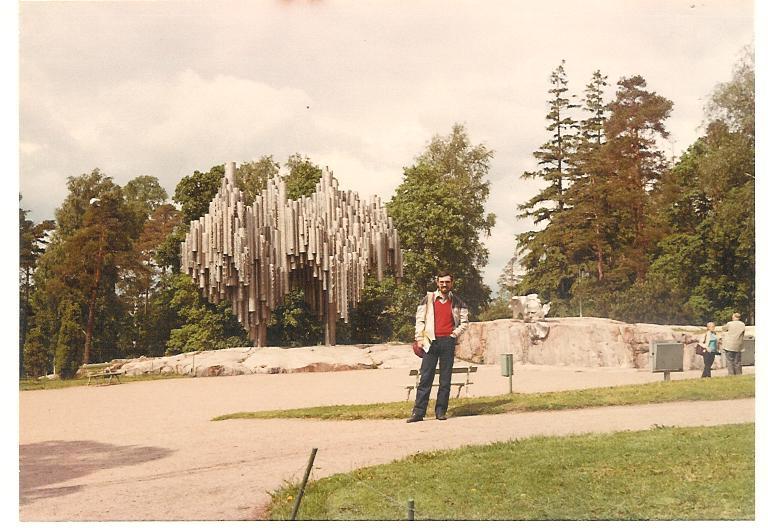
"SIBELIUS Monument - Enjoy the sculpture! And the music, if you can... Jean Sibelius (1865-1957) is the most famous Finnish composer. The 1967 monument, made of acid-resistant steel tubing, is a work of Eila Hiltunen and expresses the way Sibelius' music depicts nature"
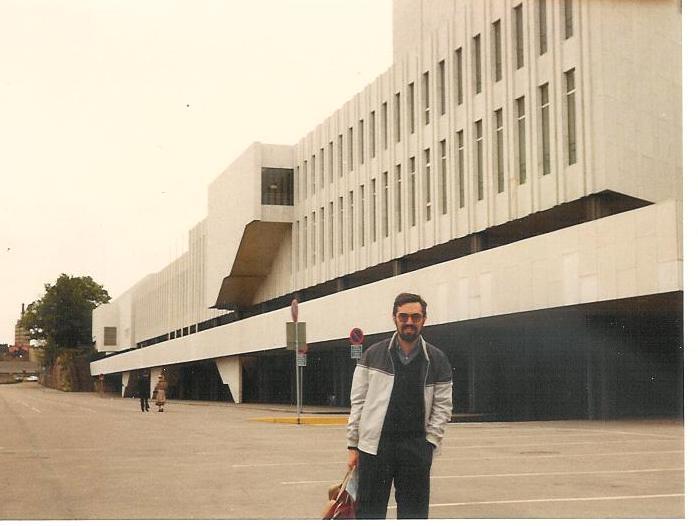
"FINLANDIA HALL - Aalvar Aalto's ex-libris of the new Helsinki. Completed in 1971, the congress wing in 1975, its interior and furnishings were also designed by Aalto"

"STADIUM TOWER - The Olympic Stadion, designed by Yrjö Lindegren and Toivo Jäntti, was built in 1938, and hosted the 1952 Olympic Games. From the Tower there is a nice view of the city"
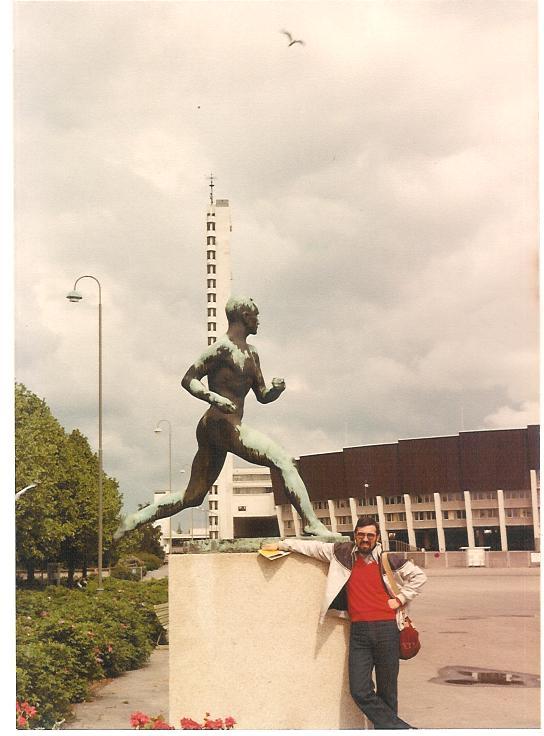
"PAAVO NURMI (1897-1973) was a fabulous athlete: broke 20 world records and won nine Olympic gold and three Olympic silver medals in the Antwerp, Paris and Amsterdam Olympic Games. The statue, one of five casted (four are in Finland, the fifth is in Lausanne) is a work of Wäinö Aaltonen.
However, in Helsinki in 1952 it was EMIL ZATOPEK who achieved the impossible: he won the 5,000m, the 10,000m and the marathon, all in a span of eight days. He set a new Olympic record in all three events, and he had never run a marathon before!"