FIRST FAR EAST TRIP - IMPERIAL KYOTO
In 1983, I started having some trips abroad that left no photo trace: it happened in January and February 1983, when I travelled twice to London. The January trip allowed me to see, for the first time «CATS», which was then an amazing experience. In March, I flew again to London, and again have no photos, but this was on our way to the Far East. It was the first time I travelled to Japan, and here we have some photos of the first stages of this Far East trip.
***
ON THE WAY
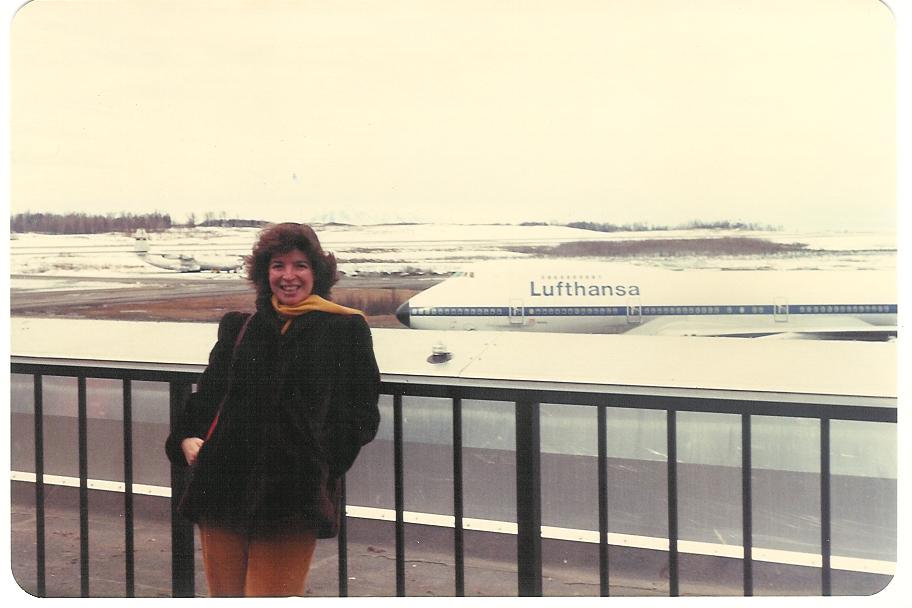
By that time the commercial route from Europe to Japan was through the North Pole, as planes were prevented from flying over the territory of the USSR. Thus, the British Airways airplane took off from London at 11:00 a.m. for a nine hour flight to Anchorage, Alaska. We got there at 10:00 a.m., the same day. And this was the evidence that there was no need to fly the Concorde to beat time... After a stop at the Anchorage airport, we carried on some seven and a half hours more to Tokyo, where we landed around 2:30 p.m. the next day..., after more than 22 hours with the sun always on our side! Just imagine the passengers' reaction when they noticed that someone, who came in Anchorage, had opened a window shade...

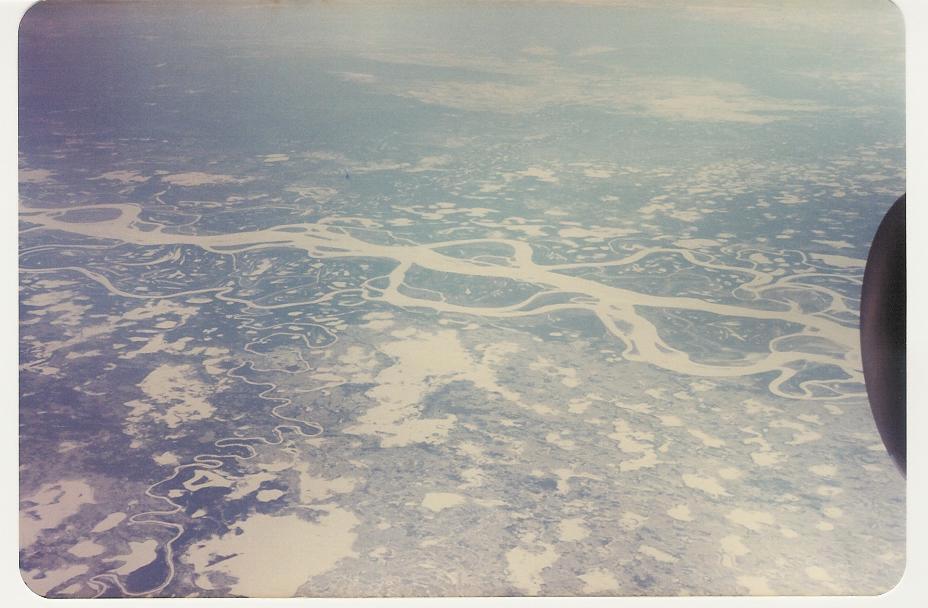
"GLACIERS - The Pole route was a superb one"


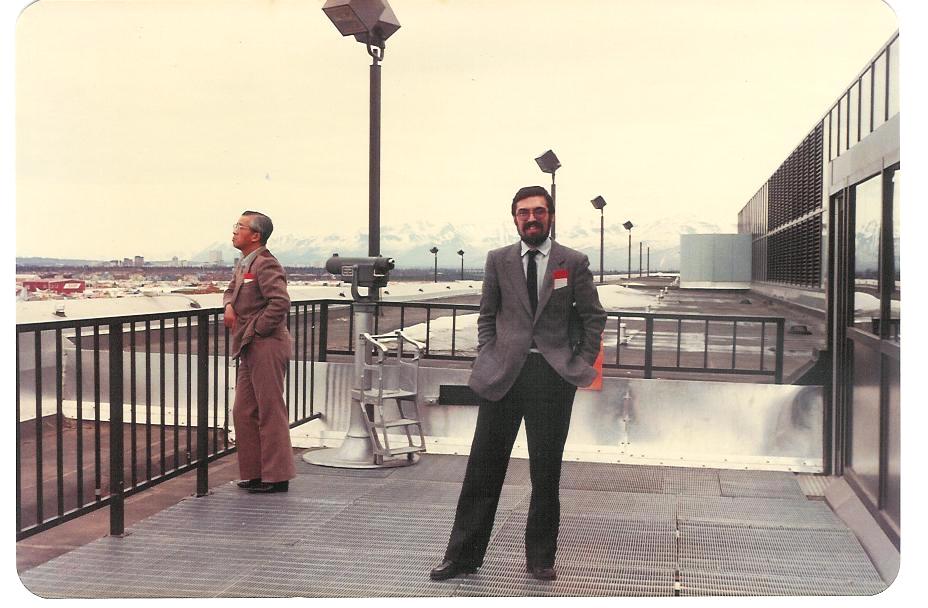
"ANCHORAGE AIRPORT - A bit freezing"
***
KYOTO
Next day after the arrival to Tokyo - a Saturday - we took an early morning Shinkansen (Bullet) train to the former imperial capital of Kyoto. Unfortunately the sky was clouded, and there was no chance to see the Fuji-san, sometimes called in the West Fuji Yama, i.e. Mount Fuji... But the trip at the speed of more than 200 km an hour (the first time we experienced that on a train) was nice and comfortable!
Kyoto, which was formerly known to the West as Miyaco, Miaco or Miako - the name the early 17th century Portuguese called it - is Japan's seventh largest city and it is said to be the most beautiful of them all: it has 17 World Heritage Sites (only Rome has more) and welcomes now more than forty million tourists a year. It was the imperial capital from the time of its foundation until the middle of the 19th century.


"JUNSEI RESTAURANT - The restaurant opened in 1961 on the site of an 1839 medical school established during the shogun era. The house speciality was (and still is) yudofu (tofu) dishes, that came with vegetable and shrimp tempura and various other dishes. A banquet in the older building - of the traditional shoinzukuri style of house construction, which began in the 13th century - filled with antiques and tatami mats and with a view of the garden"


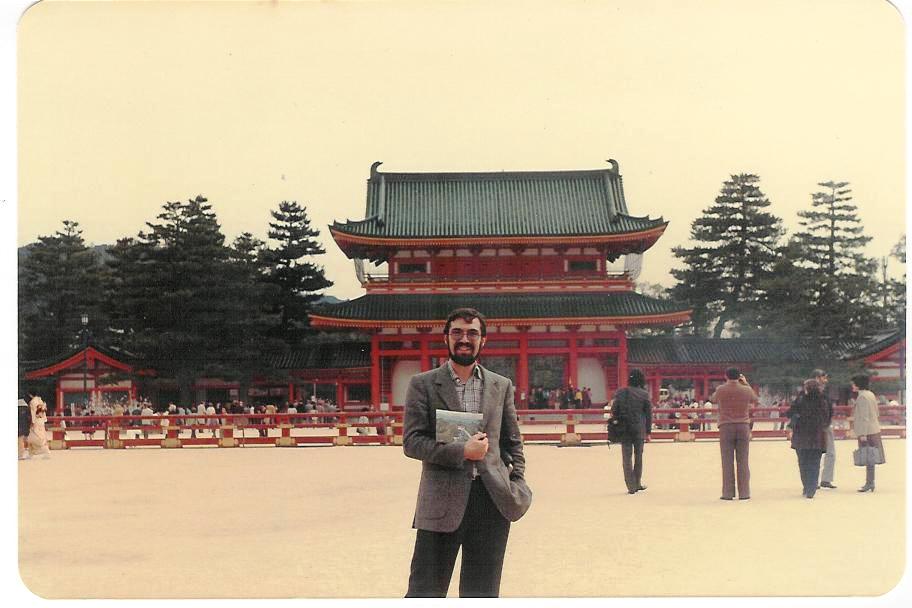
"THE HEIAN JINGU is a Shinto shrine built in 1895 for the 1100th anniversary of the establishment of Heian Kyō (the old name of Kyoto) by Emperor Kammu, who was born in 737 and ascended to the throne in 781 as the 50th Emperor of Japan"

"JAPANESE BRIDE? - It looked like a wedding, as, historically, Japanese weddings took place in Shinto shrines. However this bride, who should be painted white to show the gods her maiden status, was not wearing the white kimono..."


"NIJO CASTLE - Built as the Kyoto residence of the Tokugawa Shoguns, its construction started in 1601 and was completed during the reign of Tokugawa Iemitsu in 1626. The five buildings that complete the structure represent the height of Momoyama architecture, and the Castle was included in the UNESCO's World Heritage List in 1994. The Nijo Castle has two concentric rings of fortifications, both consisting of a wall and a wide moat. Here we can see the main gate of the Ninomaru Palace and part of the gardens"


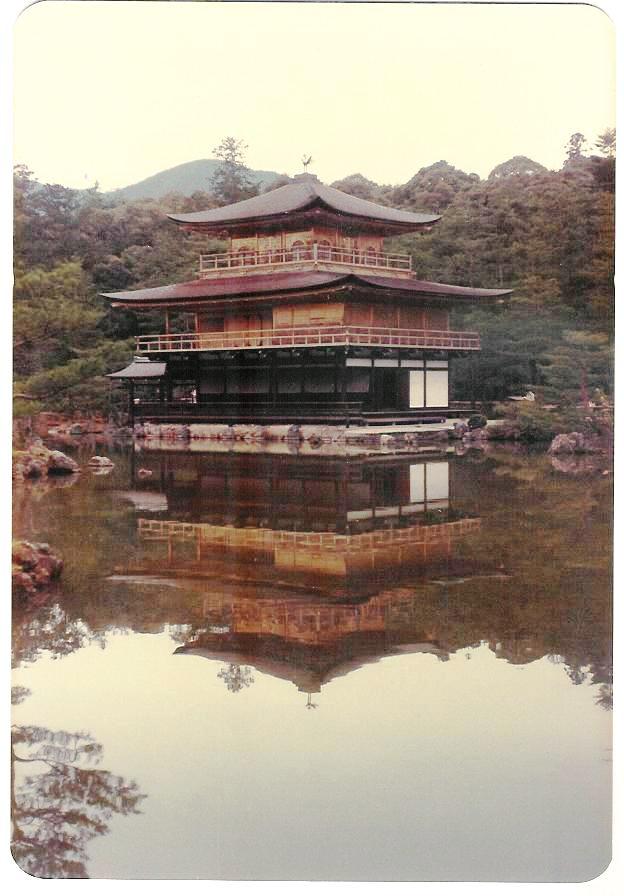
"KINKAKU-JI - The Golden Pavilion Temple in the Deer Garden Temple is one of the main attractions of Kyoto. Built in 1397, on the site of a 1220 villa for Kintsune Saionji, it was intended to serve as a retirement villa for Shogun Ashikaga Yoshimitsu. It was burned down several times, the last in 1950 by a mentally disturbed monk (see Mihima's 1956 book The Temple of the Golden Pavilion). The present Pavilion dates from 1955, got new coating and gilding with gold-leaf in 1987, and saw the roof restored in 2003. My favourite view is the Golden Pavilion reflected in the Kyōko-chi (Mirror Pond)"

"MIYAKO HOTEL - Night view from room 1806"

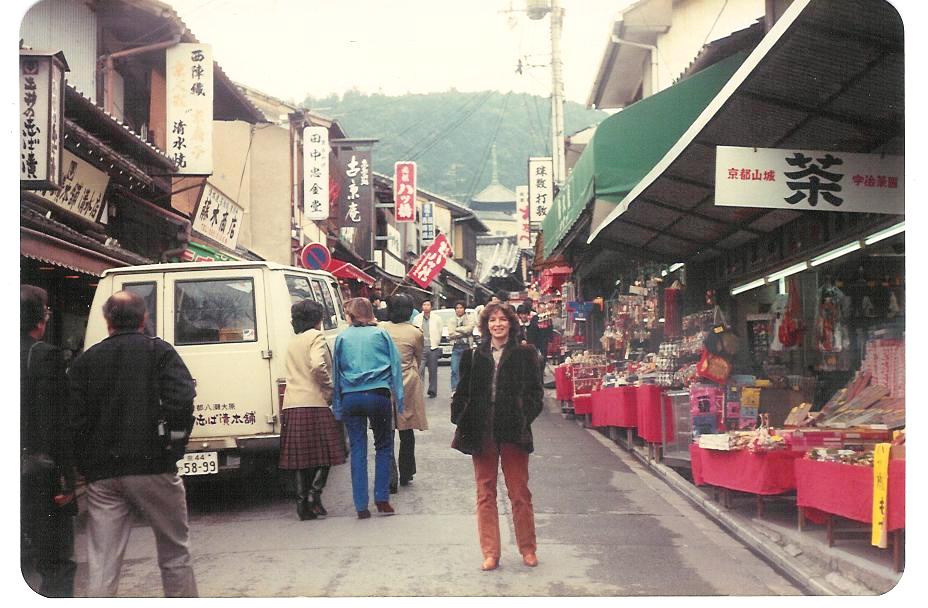
"ON THE WAY to Kiyomizudera, a complex of Buddhist temples in Eastern Kyoto"

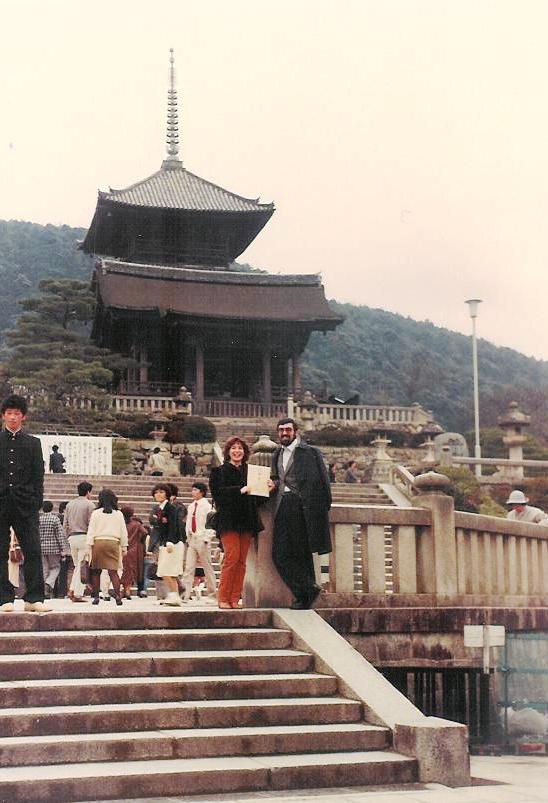
"KIYOMISUDERA - The Temple of Clear Water - According to the tradition, Kiyomizudera originated in 778, but most of the present buildings were constructed in 1633. The temple takes its name from the waterfall within the complex. Here we can see the Niomon Gate"

"ASAKURADO HALL - Kiyomisudera, which was made an Imperial temple in 805, has been burnt down and reconstructed nine times. The Asakurado Hall is one of the 1633 buildings"


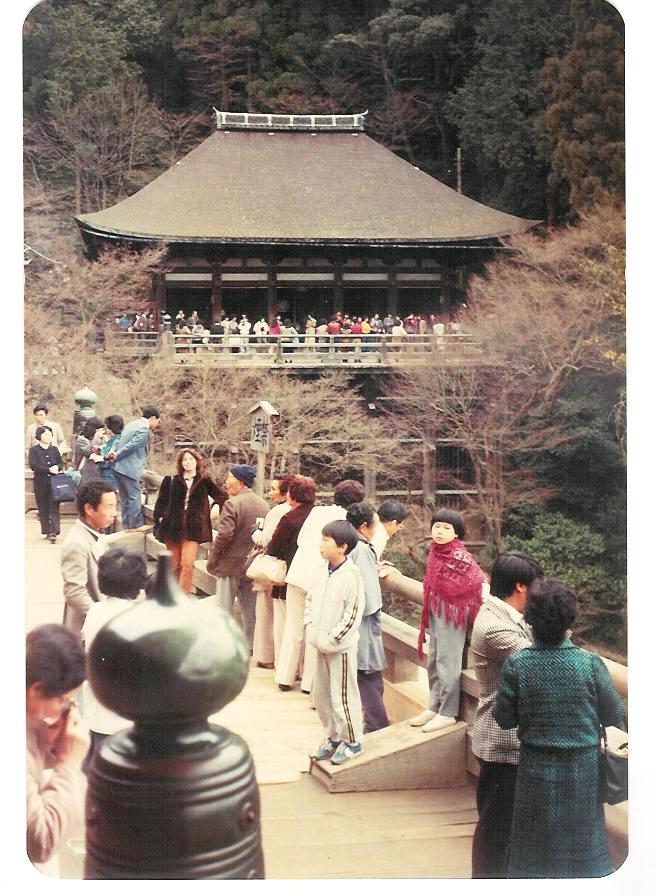
"MAINHALL - Notable for its vast veranda, supported by hundreds of pillars (13m high, which is impressive for a wooden structure), it offers fantastic views of the city. During the Edo period, 234 jumps from the veranda were recorded and of those, 85.4 percent survived and were supposed to have their wishes granted. The expression «to jump off the stage at Kiyomizu» is the Japanese equivalent of the English expression «to take the plunge»! Beneath the main hall is the waterfall, with three channels into a pond"

"TEMPLES at Kiyomisudera"


"SANJU-NO-TO - The Three Storied Pagoda is the tallest three-storied pagoda in Japan. Rebuilt in 1633, it seems that it was repainted in 1987 in the original vermilion and now stands out against the dull brown of the other buildings"
***
NARA
Nara was the capital of Japan during most of the Nara period, from 710 to 784. Nowadays, it is the capital city of Nara Prefecture in the Kansai region of Japan, near Kyoto. Seven temples, shrines and ruins, specifically Tōdai-ji, Saidai-ji, Kōfuku-ji, Kasuga Shrine, Gangō-ji, Yakushi-ji, Tōshōdai-ji and Heijo Palace Remains form the UNESCO World Heritage Site named "Historic Monuments of Ancient Nara".

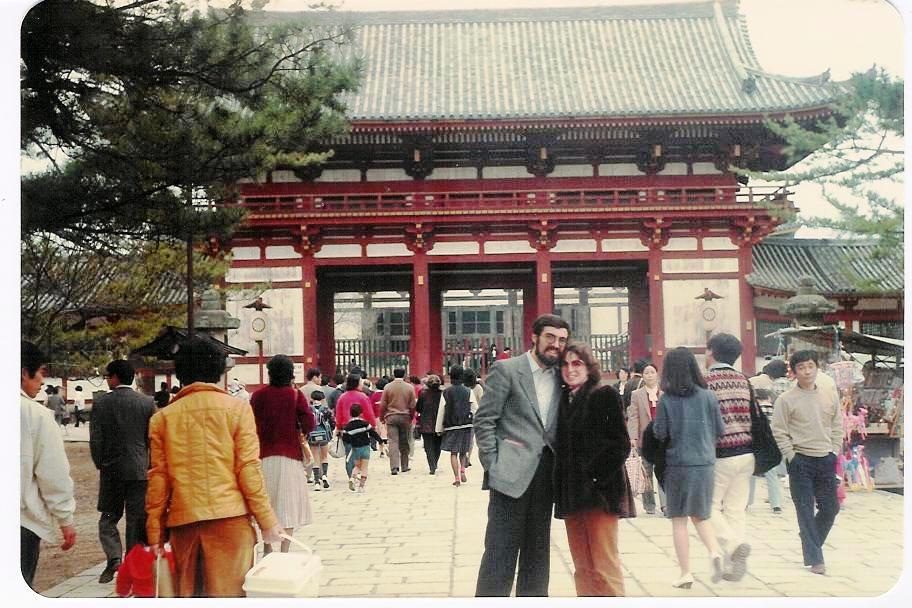
"TODAI-JI - Ochumon Gate"

"DAIBUTSUDEN HALL is the world's largest wooden structure, and the home of the Great Buddha of Nara, a gigantic statue that is 15m tall and weighs approximately 25 tonnes"

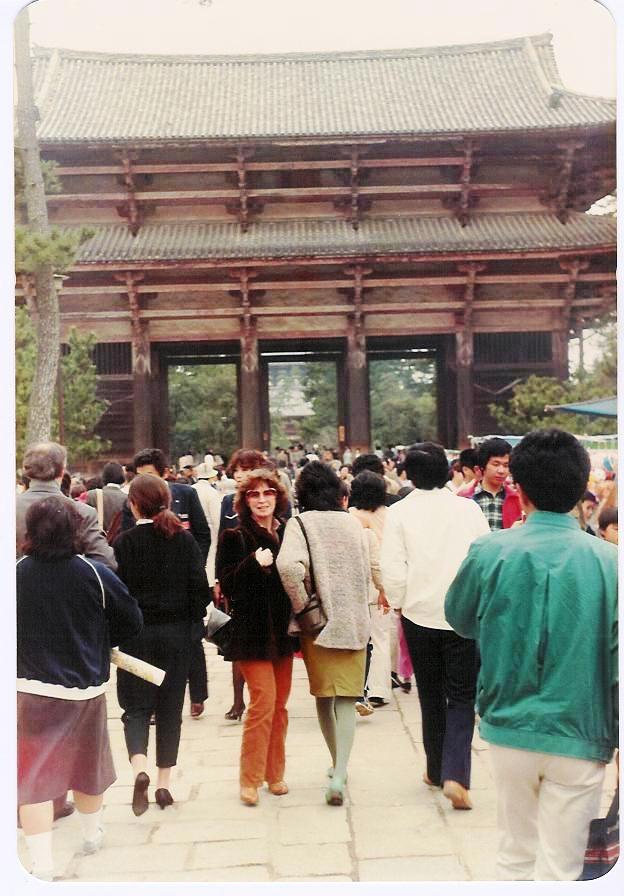
"NANDAI-MON was built in 1199, in the Tenjiku style architecture. In both sides of the building there are two of the biggest wooden statues in the world. The statues were named Kongo-Rikishi-zo and designed by sculptor Unkei and Kaikei in Early Kamakura Period"

"SHINKANSEN - Back to Tokyo with the bullet train"











.jpg)
-HB(M).jpg)