Showing posts with label Italy. Show all posts

Sunday, February 20, 2011

ISOLA BELLA & SURROUNDINGS - AUGUST 1986

LAGO MAGGIORE - ITALY

"LAGO MAGGIORE"


"STRESA - LIDO. Isola Bella"


"STRESA - PERLA NERA"


"STRESA - PERLA NERA"


"ISOLA DEI PESCATORI"


"BAVENO"


"ISOLA BELLA"


"ISOLA BELLA"


"ISOLA BELLA"


"MOTTARONNE"


"MOUNT ROSA"


"MOTTARONE"


"ON THE TOP OF THE HILL"


"MATTERHORN"


"ISOLA BELLA - From the funivia..."

Monday, July 03, 2006

MILANO - NOVEMBER 1977

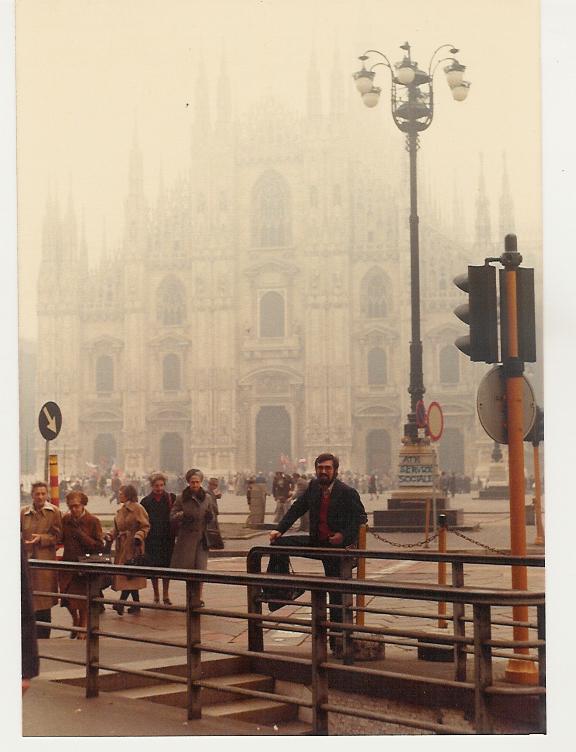
DUOMO

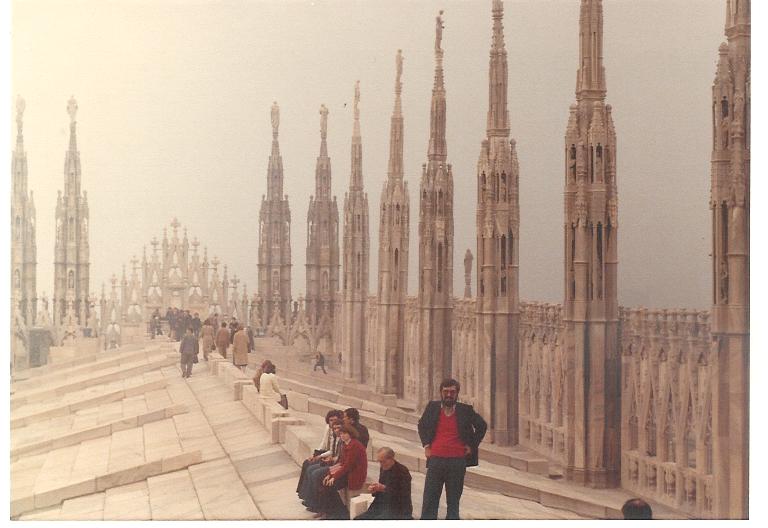
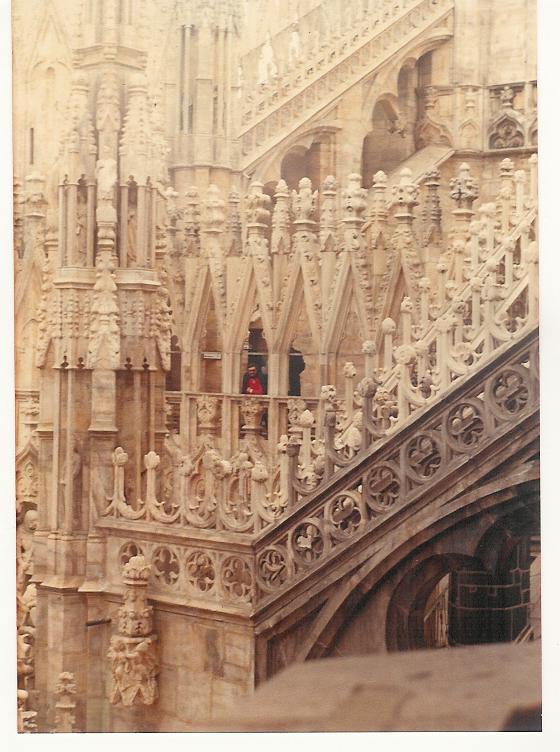
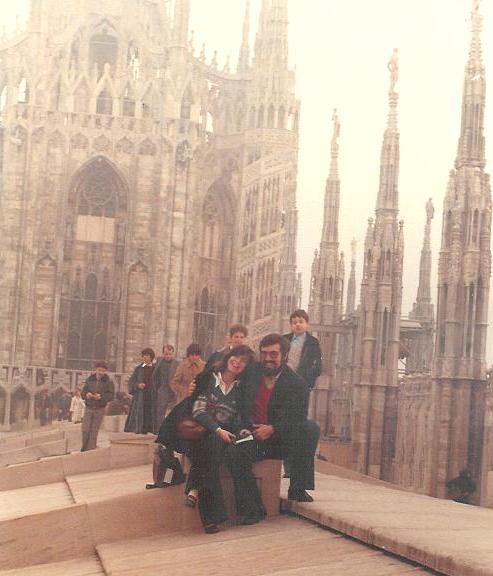
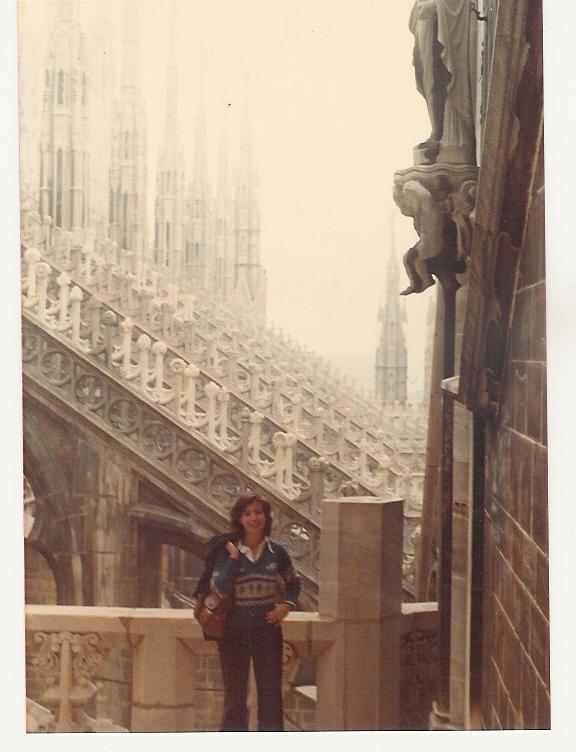
The "Duomo" is one of Europe's most remarkable cathedrals. Few churches in ltaly underwent such a slow, complex building process as Milan's cathedral. The cathedral, dedicated to Mary, was actually begun in 1387 over the site of the 9th century basilica of St. Maria Maggiore. Work went on right through the 19th century, during which time the spires and the towers with stairways inside were completed.


"The exquisite carvings characteristic of the 98 spires of the edifice"


"Just see"


"People on the roof"


"Amazing"


"Piazza Del Duomo in the mist; the whole city seems to revolve around the square. The façade of the Cathedral is presently hidden by scaffolding. Work began in June 2002, with a prospected duration of 2 years. To date (Dec 2005) work is still progressing..."

CASTELO SFORZESCO

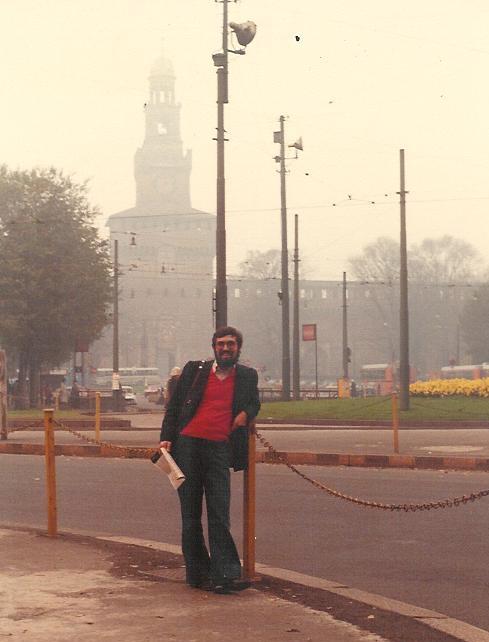
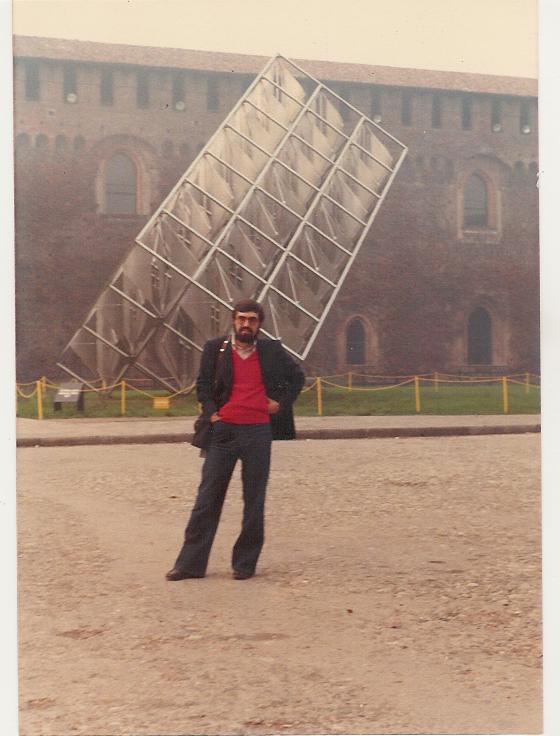
The castle, which is one of the greatest monuments of the Renaissance period, was started in the 14th century. In 1450, after the fall of the republic, Francesco Sforza took possession of the stronghold. He began the reconstruction with the intention of creating a fortification for his own defence but it was gradually transformed into an architecturally impressive noble residence.


"In the middle of the façade with its front towards the centre of city rises the so-called Filarete Tower (called also the Clock Tower) which is 70 metres high"


"The doorway, under the Tower of Filarete, leads into the grand and picturesque Parade Ground, now a garden, which was once used to exercise the Sforza troops"

Sunday, July 02, 2006

LA SERENESSIMA - NOVEMBER 1977

VENICE, IS UNIQUE!

Built on 117 small islands, has some 150 canals and 409 bridges. The historic centre is divided into six sestieri: San Marco, Dorsoduro, San Polo, Santa Croce, Cannaregio and Castello, and covers only 7.6 sq km. Walking from Cannaregio to Dorsoduro (northwest to south) takes only 30 minutes, provided that you don't get lost... Anyhow, there is no similar experience!


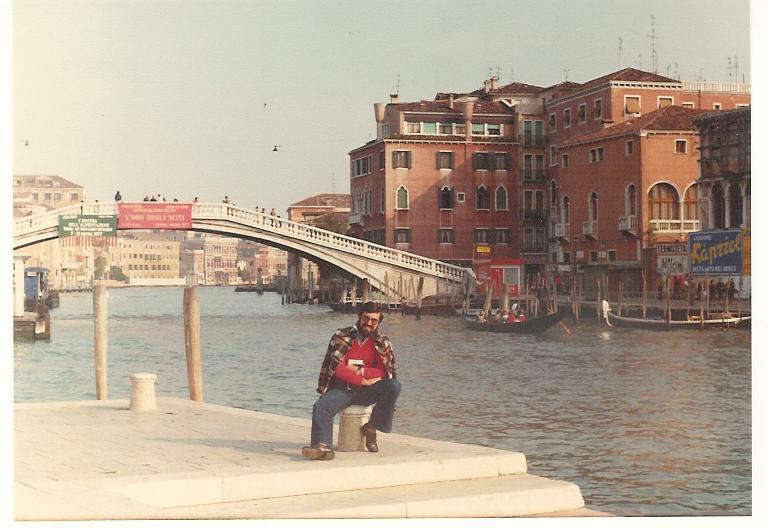
"PONTE SCALZI - Near the railway station. One of the three bridges, which cross the Gran Canale, the city's main «street». A convenient start of your tour!"


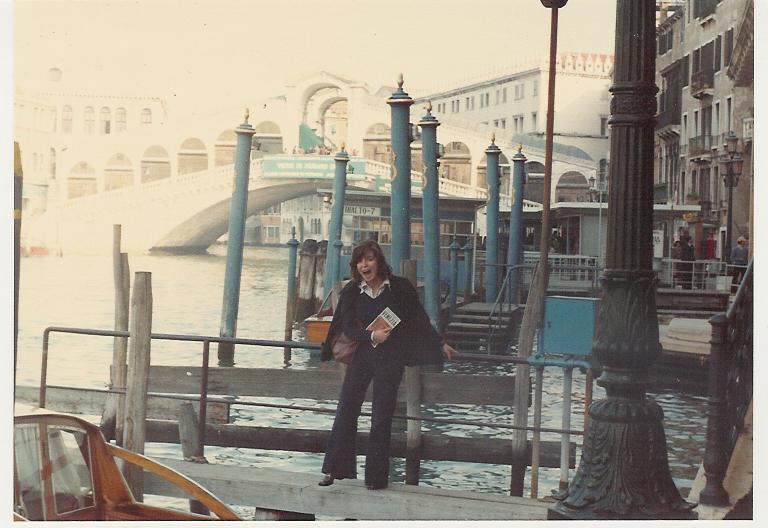
"RIALTO - is the most famous bridge in Venice, and it is the actual heart of the city. The first dry crossing of the Grand Canal was a pontoon bridge built in 1181 by Nicolò Barattieri. It was called the Ponte della Moneta, presumably because of the mint that stood near its eastern entrance. The structure of the Rialto was built on 12,000 wooden pilings that still support the bridge today, and it was finished in 1591. The engineering of the bridge was considered so audacious that architect Vincenzo Scamozzi predicted future ruin. However, you can still cross it today..."


"RIALTO - Looking out from the Rialto Bridge you get a glimpse of history: the hustle and bustle of daily life taking place for over 900 years"


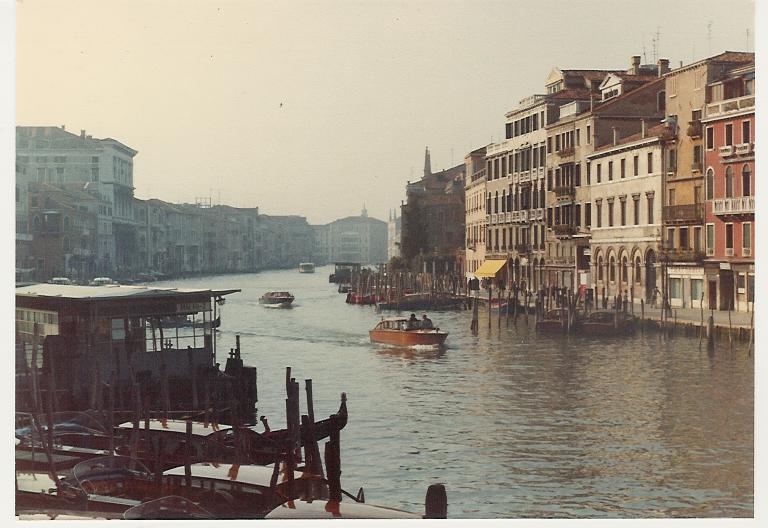
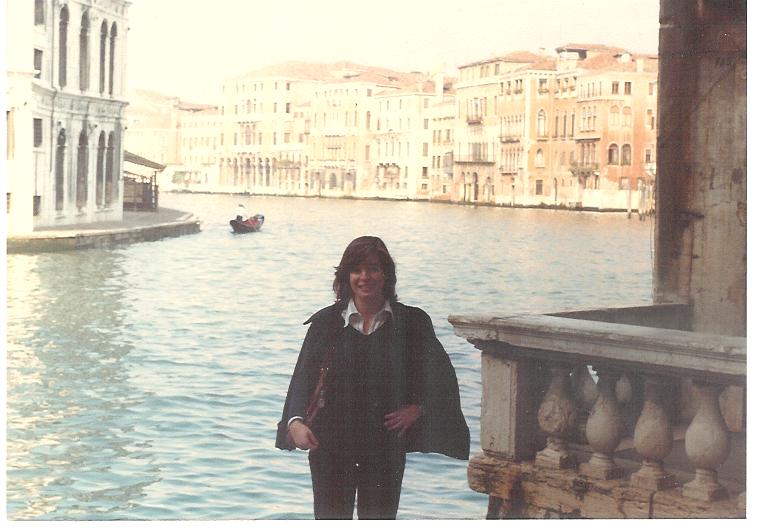
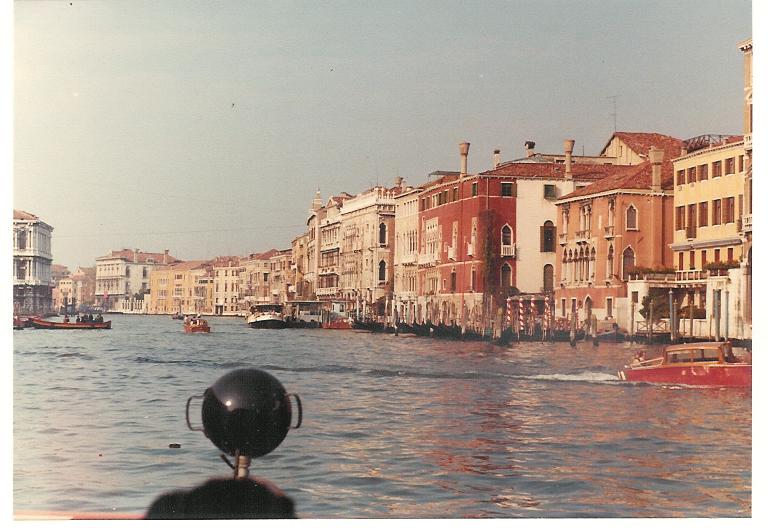
"THE GRAN CANALE meanders more than 3,5 km through the six districts of the historic centre, looking like a giant S from the air. Only three bridges cross the Gran Canale, but the best way to enjoy the views is a trip with the «vaporetto» number 1 from the train station to Piazza San Marco"


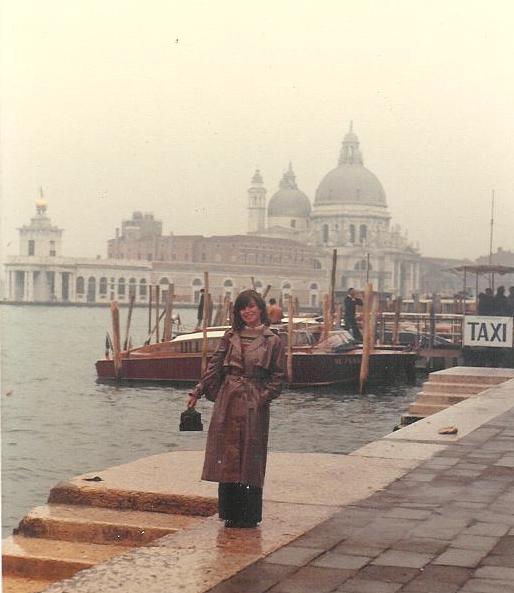
"SALUTE - At the end of the Gran Canale, after passing the third bridge - Accademia - and before reaching San Marco, you'll find the impressive structure of Santa Maria della Salute. In October of 1630, after nearly a third of Venice's citizens had been killed by plague, the Senate made an offer to God: «Stop the plague, and we'll build a church to honor the Virgin Mary». By some reason the plague was stopped, the Venetian authorities honored their promise, and an unknown architect named Baldassare Longhena won the competition for a church design. He proposed something he described as "strange, worthy, and beautiful...in the shape of a round 'machine' such as had never been seen, or invented either in its whole or in part from any other church in the city. That's what you can see today!"


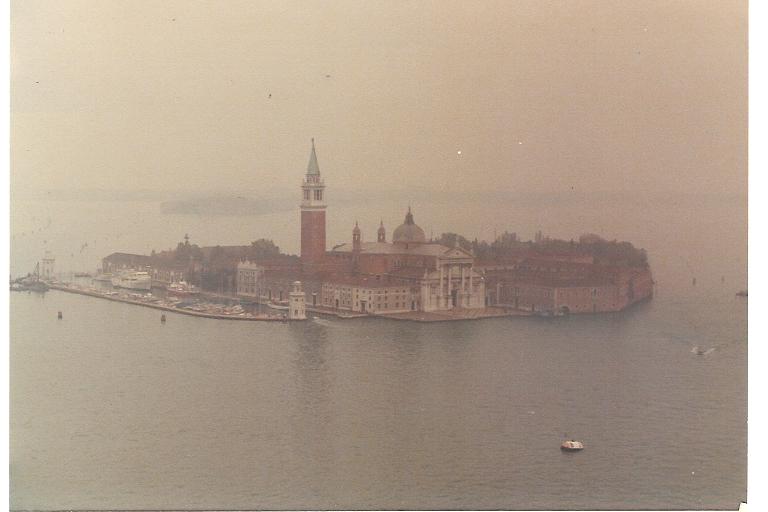
"SAN GIORGIO - Before leaving the vaporetto, take a look to your right-hand side. The waters of St. Mark's Basin mirror the splendour of the Basilica of San Giorgio Maggiore. Situated directly opposite the Palazzo Ducale, it survived every sort of trial and tribulation. The monastery spans the entire history of Venice. It began with Venice and ended with her. Foggy and quite, it's sheer magic"


"PIAZZETA - Piazzeta San Marco was the main door, the first sight of Venice that the travellers of long ago set eyes on. That's where you should leave the vaporetto to join the "drawing-room of Europe", to quote Napoleon (or Musset). Actually, Napoleon Bonaparte was responsible for the end of the independent la Serenissima, after 1070 years. He conquered Venice on May 12, 1797, bringing to an end the most fascinating century of Venice's history - the «Settecento», when Venice became the most elegant and refined city in Europe"


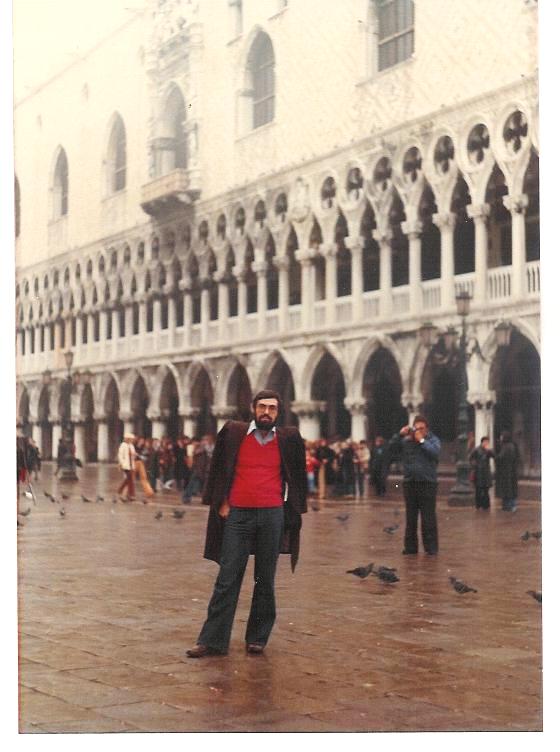
"PALAZO DUCALE - The current palace was constructed from 1309 to 1424 on 9th century origins. The palace was the residence of the Doge and contained the offices of a number of political institutions. The most spectacular room is the Grand Council chamber, originally the meeting place for the legislature. This huge space is lined, walls and ceiling, with paintings, one of which, Tintoretto's vast Paradise, is reportedly the world's largest painting on canvas"


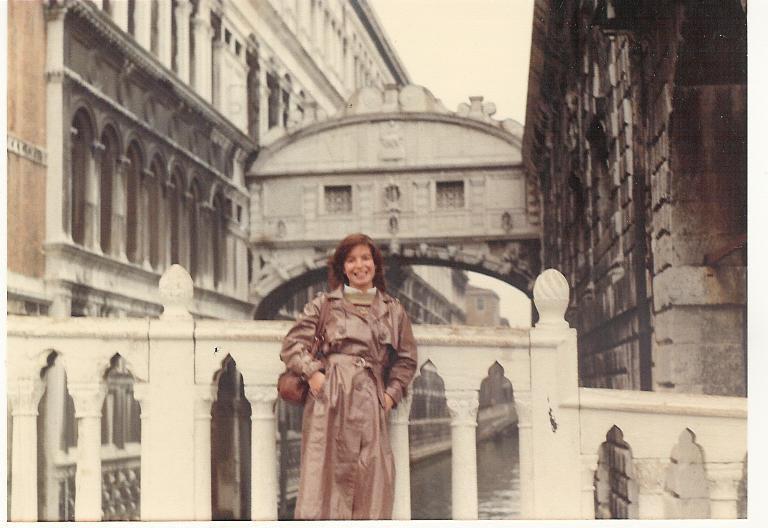
"BRIDGE OF SIGHTS - At the rear of the palace, connecting to the prison. It passes over the Rio di Palazzo and connects the old prisons to the interrogation rooms in the Doge's Palace. The bridge was built in the 16th century and given the name Bridge of Sighs in the 19th century, by Lord Byron"


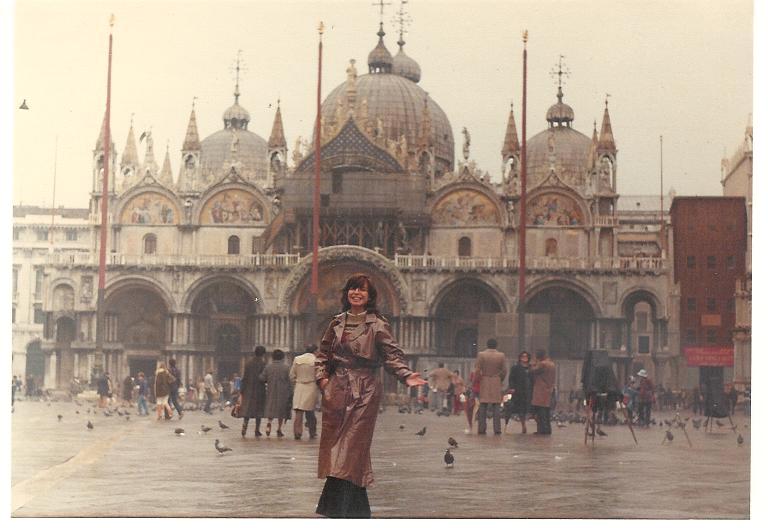
"BASILICA SAN MARCO - The first St Mark's was a temporary building in the Doge’s Palace, constructed in 828, when Venetian merchants acquired the supposed relics of Saint Mark the Evangelist from Alexandria. This was replaced by a new church on its present site in 832. The new church was burned in a rebellion in 976, rebuilt in 978 and again to form the basis of the present basilica in 1063, which is based on a Greek cross floorplan, like on the Hagia Sophia, in present day Istanbul. A marvelous building, in any case"


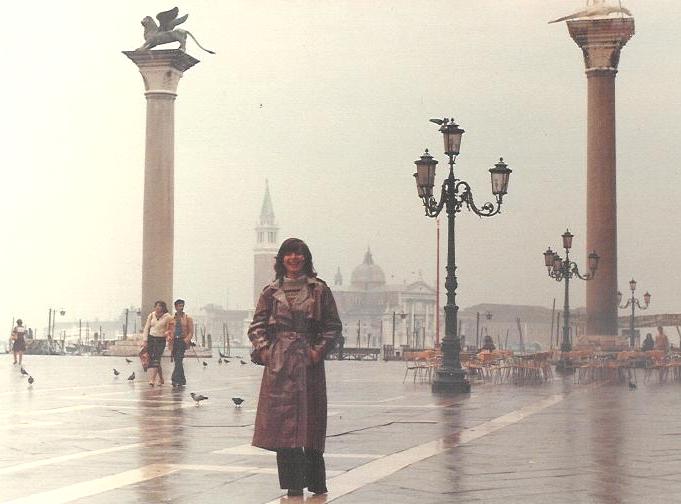
"SAN MARCO - Piazza San Marco, is the town square of Venice. The Piazza is the only urban space big enough to be called a piazza in Venice: the rest are campi. It is the only great urban space in an European city where the sound is of human voices talking...
Since, you'll be thirsty and hungry, drop in at the Harry's Bar for a Bellini, and a Carpaccio. But don't forget that the sound of the mobile greatly disturbs the preparation of the risotto..."

Saturday, July 01, 2006

BELLA ITALIA - NOVEMBER 1977

THE PHOTOS FROM PISA, ORVIETO, ROMA, AND ASSIS TAKEN ON THIS TRIP ARE MISSING, BUT FLORENCE, VENICE AND MILAN KEEP THE MOOD!

LET'S START WITH FLORENCE!


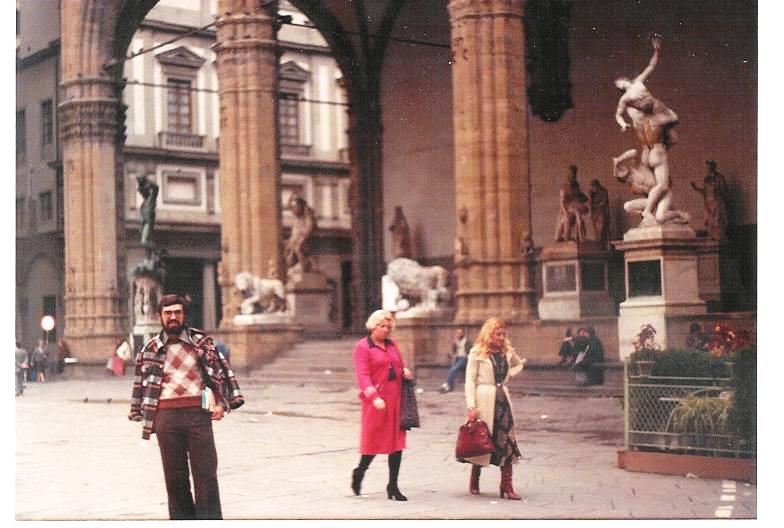
"LOGGIA DEI LANZI - built between 1376 and 1382 to house the assemblies of the people and hold public ceremonies, it houses today a series of classical and Mannerist sculptures. These include the beautiful «Rape of the Sabines» (1583), «Hercules fighting the centaur Nessus» (1599), both of them by Giambologna, and the «Perseus with the head of the Medusa» by Cellini (1545-54)"
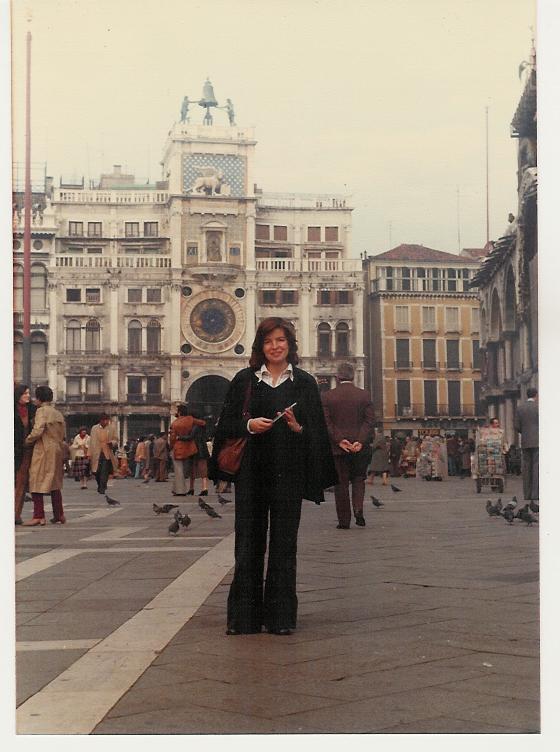

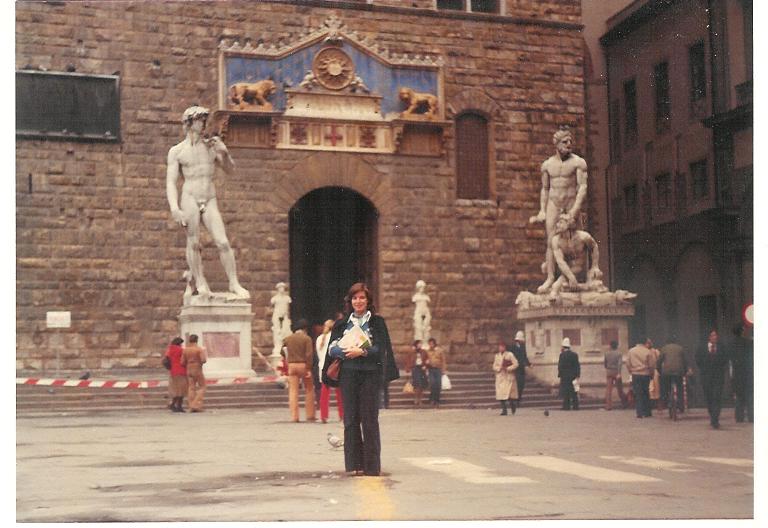
"PIAZZA DELLA SIGNORIA - the political heart of the city from the Middle Ages to the present day, gets its name from the Palazzo della Signoria, designed by Arnolfo di Cambio in 1298-99 for the seat of the Republican government. When the Grand Duke and his family moved to the new palace of Pitti in 1565, Palazzo della Signoria began to be known as Palazzo Vecchio. The copy of Michelangelo's «David» is on the left of the door"


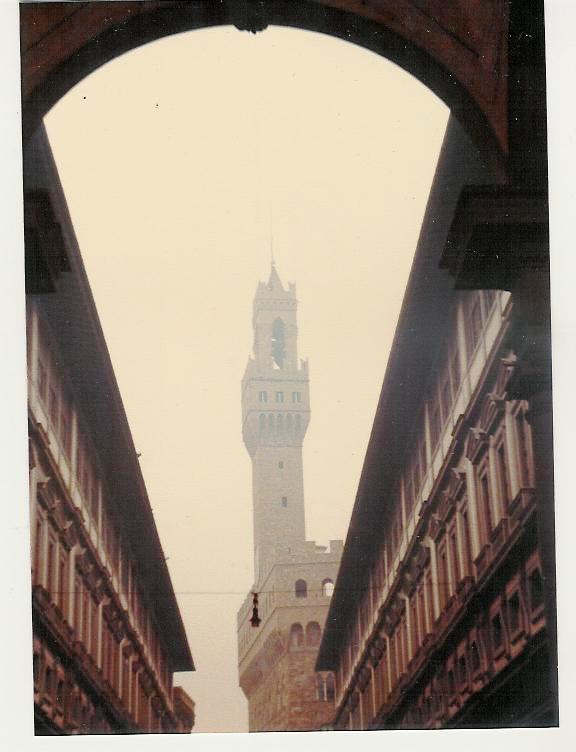
"UFFIZZI - The Uffizi Palace was constructed in the mid-sixteenth century by Vasari (1511-1574). Built in the form of a horse shoe extending from Piazza Signoria to the River Arno and linked with Palazzo Vecchio by a bridge over the street, the Uffizi were intended to house the offices of the magistrature. From the beginning however, the Medici set aside certain rooms on the third floor to house the finest works from their collections; two centuries later, in 1737, thanks to the far-seeing generosity of the last heir of the family, Anna Maria Luisa, their collection became permanent public property. One of the most fabulous museums in the world!"


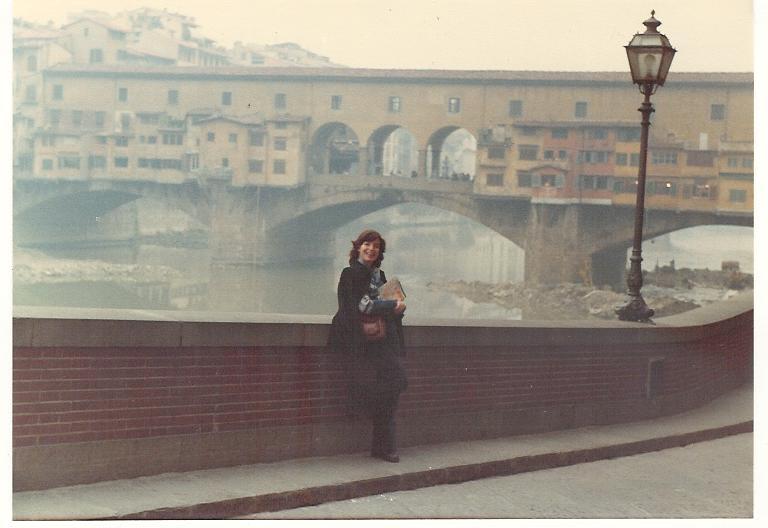
"PONTE VECCHIO - Built in ancient times by the Etruscans, the bridge has weathered many storms - and storming by invading legions. Because of its location over the widest part of the Arno River, the bridge has been rebuilt and restored many times throughout its long history"


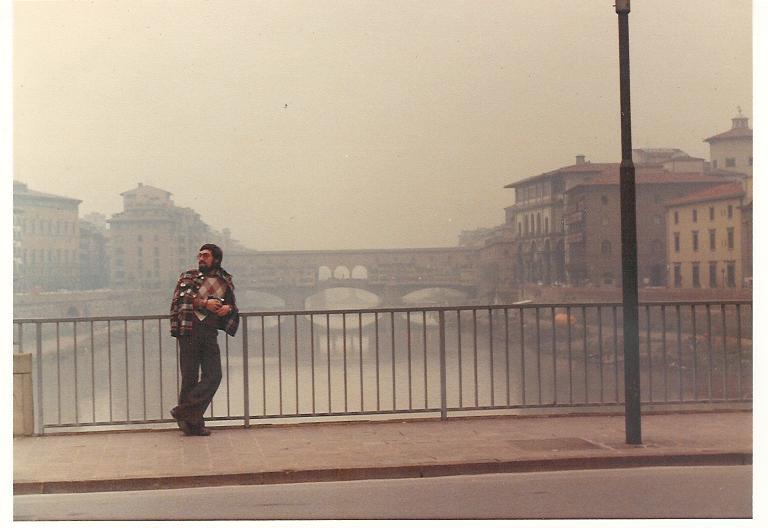
"PONTE VECCHIO - The Ponte Vecchio is the only of Florence's bridges to have survived WWII, and in 1966, when a massive flood wiped out the shops on the bridge, the bridge itself was strong enough to withstand the roaring waters"


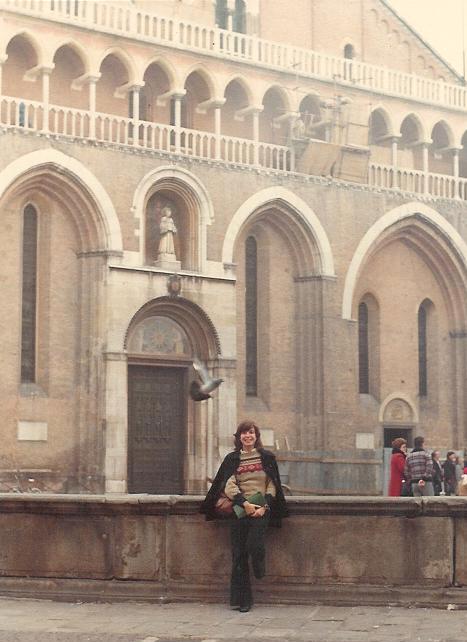
"PADUA - people there calls Santo António «the patron and defender of the city». St. Anthony was renowned for performing various miracles, died in 1231, and to his memory the people erected the Basilica di San Antonio (photo). The church itself is one of the major tourist attractions in Padua, designed with a blend of Romanesque and Byzantine styles and housing a beautiful high altar crafted by Donatello. Anyone with a bit of culture, however, knows that Santo António is not «of Padua», but of Lisbon, Portugal, where he was born in 1195"

Monday, June 12, 2006

CAPRI - JANUARY 1976

APPPRECIATED SINCE TIBERIUS 30A.D.


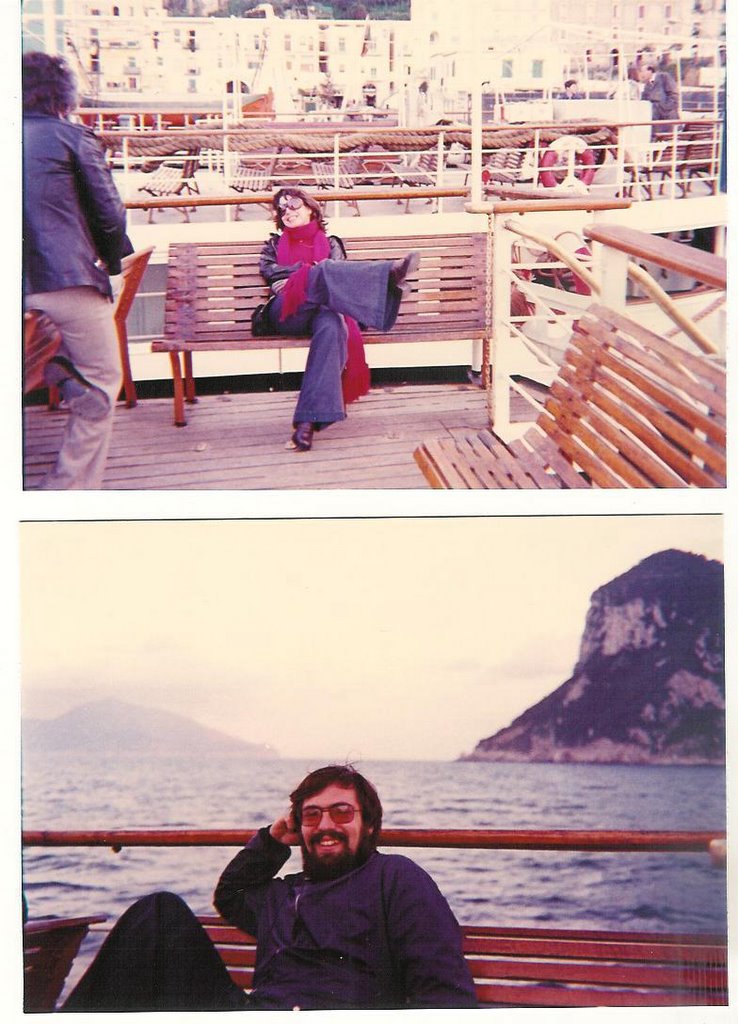
"DEPARTURE FROM NAPLES - Monica Vitti, Il deserto Rosso"


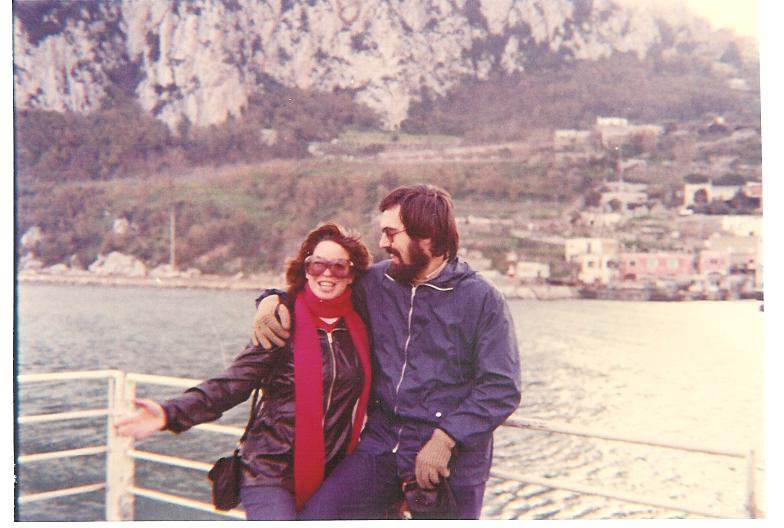
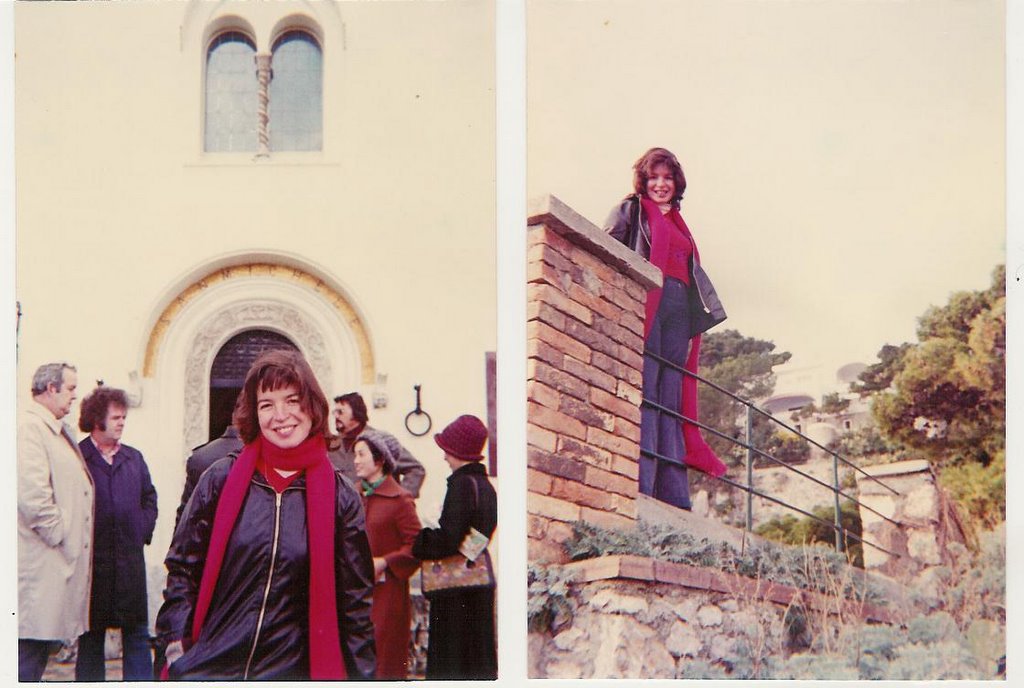
"CAPRI - Home for exiled people: Gorki, Lenine, Neruda lived here"


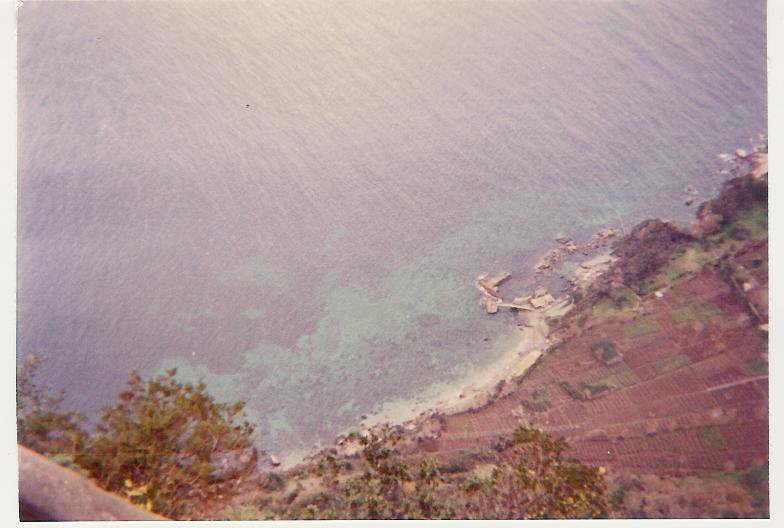
"ANACAPRI - view from up the hill"


"ANACAPRI - Villa San Michelle, Axel Munthe's former home. Quoting Henry James: «the most fantastic beauty, poetry, and inutility that one had ever seen clustered together.»"


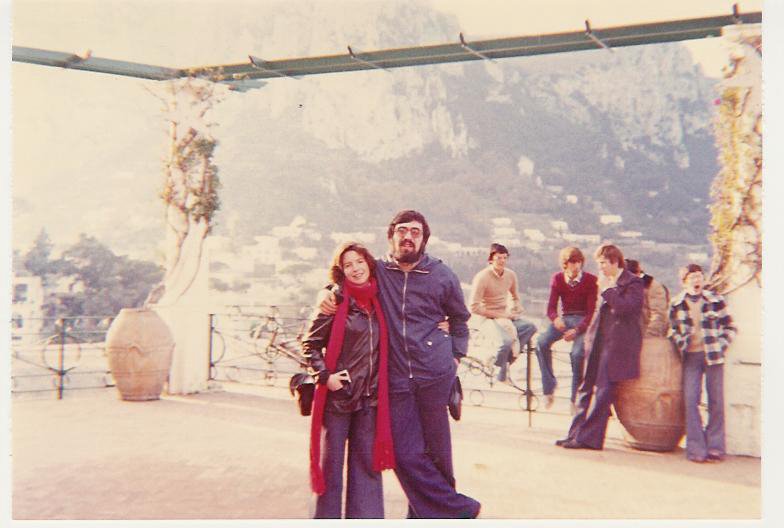
"CAPRI - Piazza Umberto I"


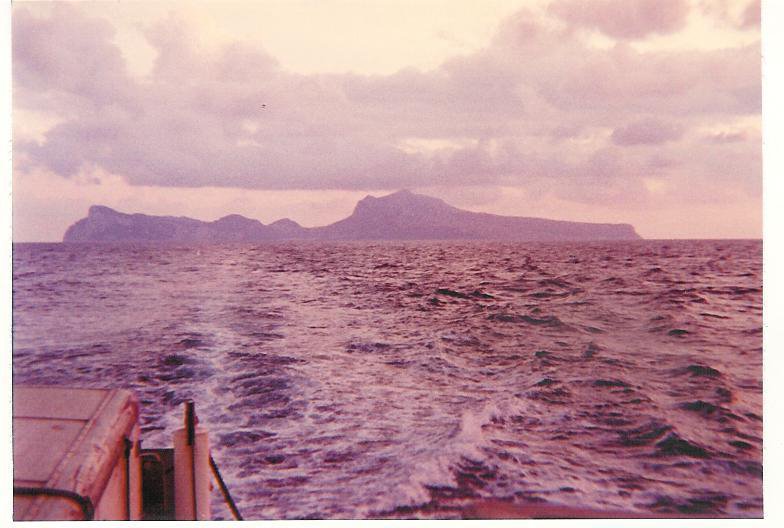
"CAPRI - Red sunset"


"TORNA A SORRIENTO"


"CAPRI, C'EST FINI... but we'll come back!"