Monday, July 31, 2006

STOCKHOLM - DOWNTOWN - JUNE 1981

A BEAUTIFUL CITY

Stockholm (in summer) is (with Sydney, all year round) one of the two most beautiful cities in the world (Lisbon is special, and does not enter this competition...).
Water plays undoubtely an important role: the city is built across 14 islands, one third of its area is covered by water, and thus Stockholm is often called «Venice of the North». It is located at the point where Lake Mälaren flows into the Baltic Sea, and it is said that the water is so clean that you can drink it, as well as catch salmon from one of the many bridges in the city centre.
With the lakes, parks, islands, perfect organization, and only 1,3 million people living in the greater city area, Stockholm is a destination impossible to be missed. Of course, with temperatures ranging from minus seven through minus twelve on March 11 (today's forecast), Winter is, from my point of view, far from being an inviting season...

***

ANOTHER ROOM WITH A VIEW


"HOTEL DIPLOMAT - «Wake up on the Sunny side»! A very pleasant place to stay, at Strandvagen, 7c, by the Nybroviken Quay. Strandvägen is Stockholm's most prestigious address, with some of its buildings dating back to 1890 - 1910. Magnificent view from room 602!"


"HOTEL DIPLOMAT - View to the Nybroviken Quay from where the sightseeing boats depart"


"HOTEL DIPLOMAT - The view to the other side"

***

DOWNTOWN

STOCKHOLM refers to the town in between bridges. The name was first mentionned in the chronicle of Erik, probably written between 1322 and 1332. According to this chronicle Stockholm was founded by Birger Jarl in 1252.


"CITY HALL - One of the Swedens most famous buildings, home to the Nobel Party. Located in the centre, its Tower has a very nice view to the city and the water. Of course, due to the weather conditions, it's usually only open during the Summer"
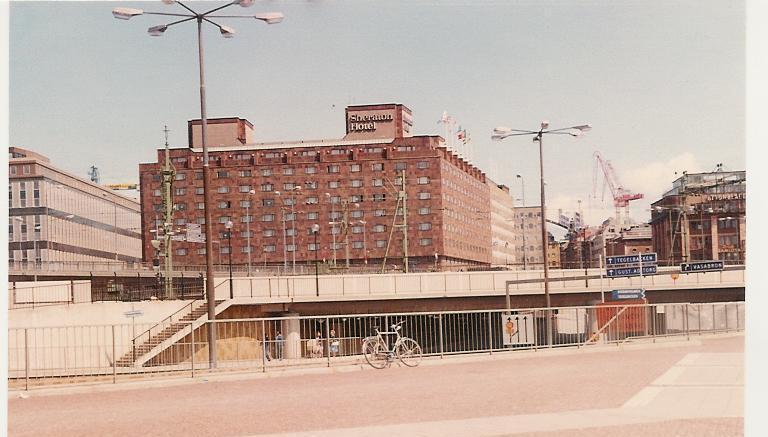

"SHERATON - Close by, near Stockholm's central business district, there is the amazing building of the Sheraton Hotel with nice views of Lake Mälaren, City Hall, and the Old Town"


"SERGELS TORG - Heart of downtown, with a huge glass building - the Kulturhuset (House of Culture) -, which symbolizes Stockholm and shows the development of modernism in Sweden"


"KUNGSTRADGARDEN - A park with plenty to enjoy"

***

THE OLD TOWN
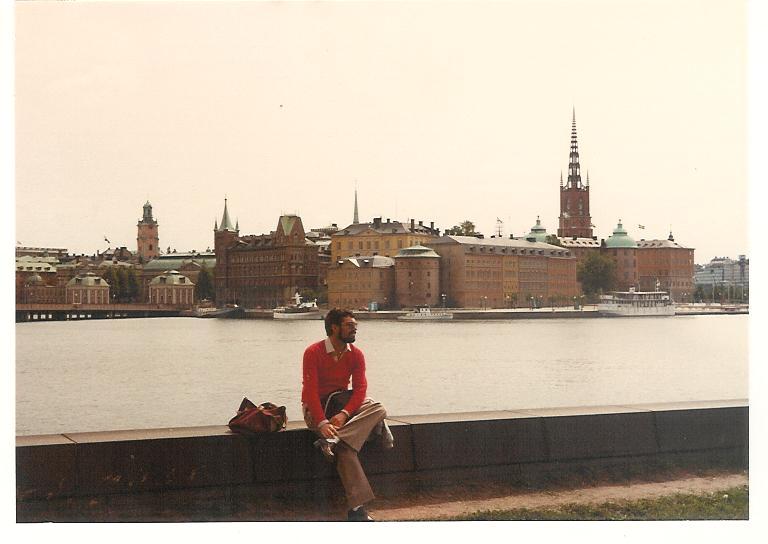

"GAMLA STAN - The Old Town Island (500 meters in diameter), where it all started more than 750 years ago. Most historic buildings date from the seventeenth century, which gives Gamla Stan an interesting look"
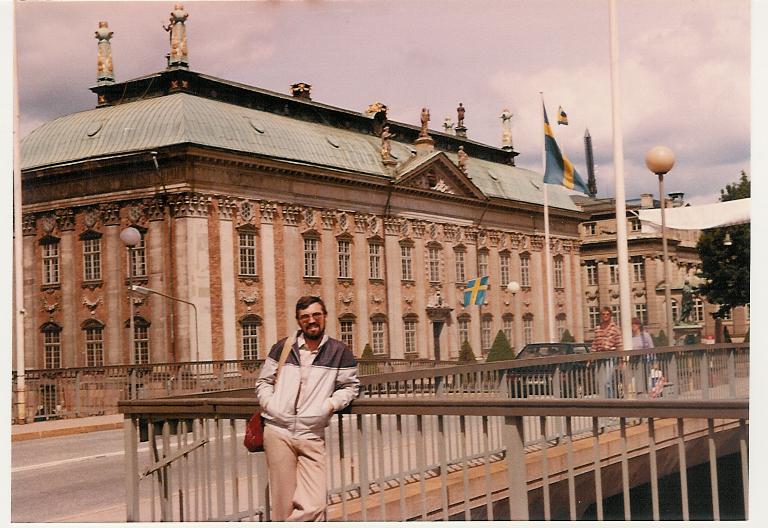

"THE HOUSE OF NOBILITY was built in 1641-74 for the meetings of the Swedish Nobility, in Parliament. The building is one of the most exquisite works of architecture in northern Europe"


"GAMLA STAN STREETS - Since 1520 Stockholm has has not seen war on its site, so its streets in the Old Town still keep the medieval layout. However, numerous buildings have been added or renovated, particularly in the 17th century, when Sweden was one of Europe's major military powers"
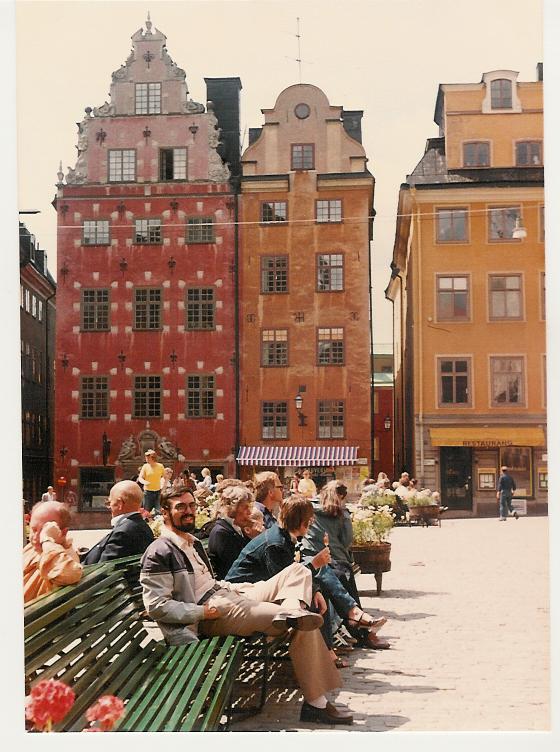

"THE GREAT MARKET PLACE (Stortorget) is situated in the heart of the Old Town, and was originally the centre of the city. The first floor of the buildings are medieval, the upper floors were added in the 17th century. The Börsen building houses nowadays the Nobel Museum. On the second floor, the Swedish Academy meets every week and also elects the winner of the Nobel Prize for Literature.


"GAMLA STAN - Around the Stortorget there are several buildings from the seventeenth century and one dating back to the sixteenth century"


"ROYAL PALACE, built between 1697 and 1754) was the largest single construction project in Europe during this time. It is now the biggest palace in the world still used by a head of state (608 rooms) - King Carl Gustav XVI"

***

BY THE WATER


"BLASIEHOLMSHAMMEN - Home to the magnificent Grand Hotel"
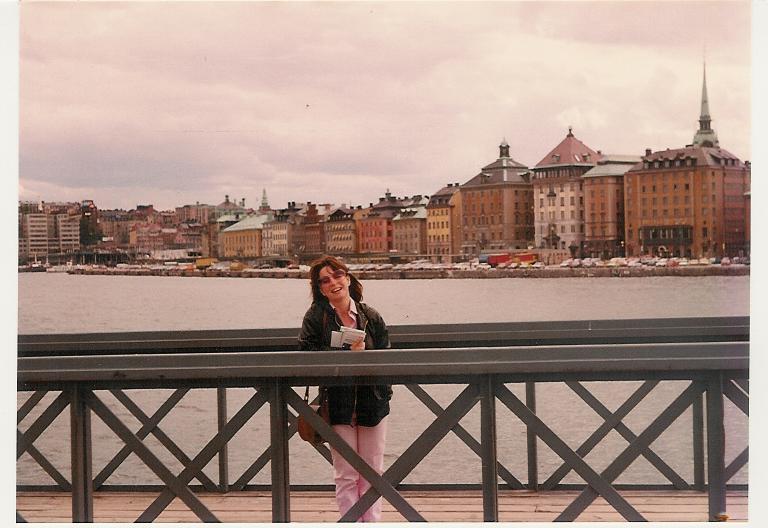

"SKEPPSHOLMSBRON - the «Ship's Island Bridge», was built in 1861, and connects the Skeppsholmen island to the northern mainland"


"AF CHAPMAN - The white fullrigger docked along the quai of western Skeppsholmen, built in 1888, was named after an 18th century Swedish naval architect. She sailed as a British cargo vessel until 1908, and served as the training ship for the Swedish Navy. In 1949, she became Stockholm's youth hostel"


"SUNSET, with Af Chapman"

Sunday, July 30, 2006

TAPIOLA AND TURKU - JUNE 1981

TAPIOLA GARDEN CITY - AN AMAZING CONCEPT


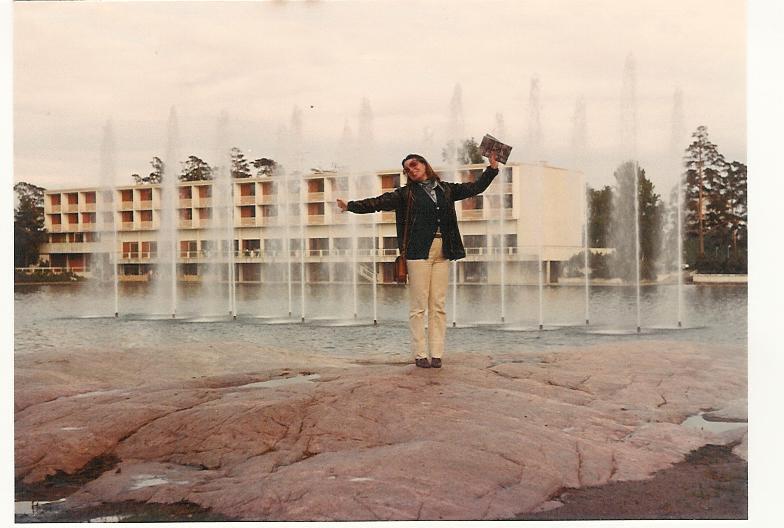
"TAPIOLA was «founded» in 1952 as an architects experience camp"

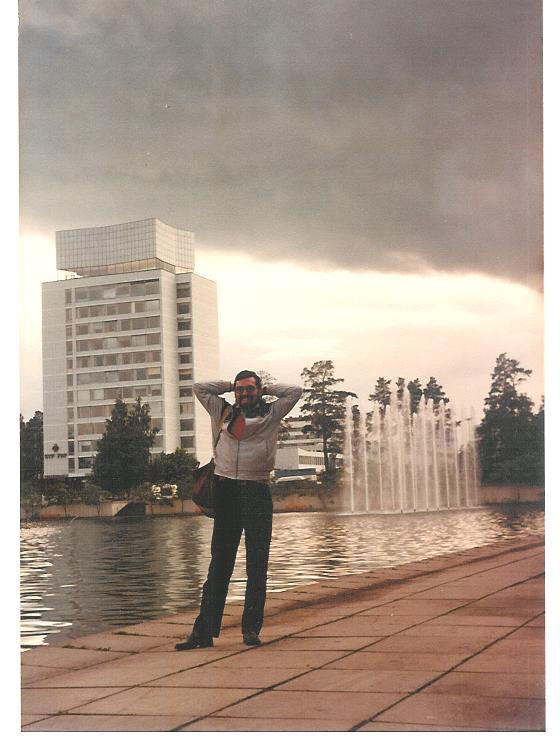
"1981 - Thirty years later, TAPIOLA was still looking great, even with a threatening storm over us"


"Fifty years later, TAPIOLA seems to be in good shape and commemorating the anniversary"
Have a look at Performing the 50th anniversary of a Garden City

***

TURKU

Turku, in the southwestern part of Finland, is its oldest city and was its first capital city. Turku is often said to be the only West European town in Finland. This is because Turku has the four items that all medieval European towns have in common: a river, a cathedral, a castle and a market.


"RAILWAY STATION - Nice connections"


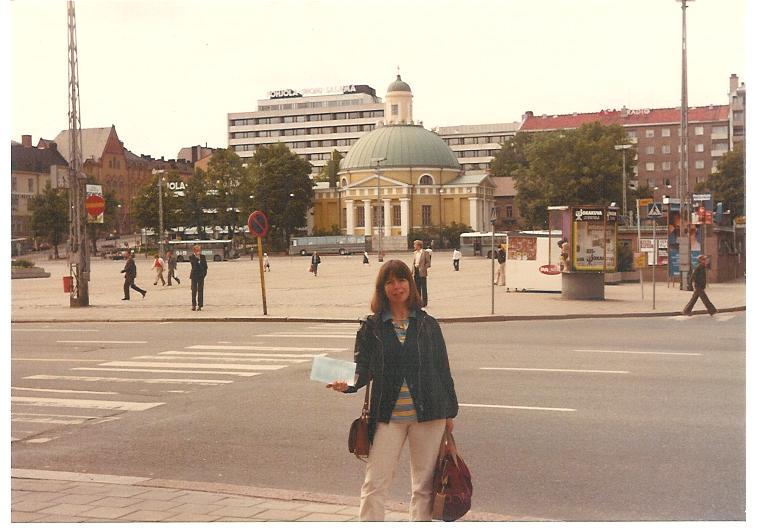
"DOWNTOWN on midsummer's day"


"MARKET SQUARE - It seems that the name of Turku originates from a Slavic word «torg», which means a market place"


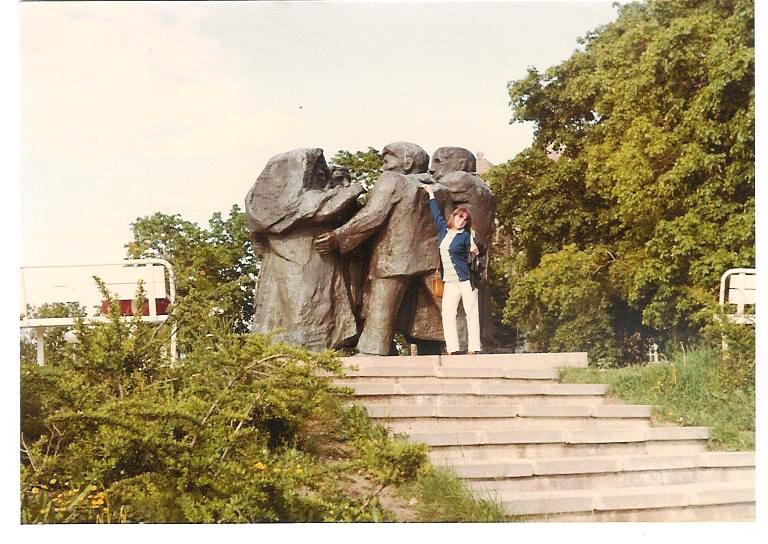
"SCULPTURE IN THE PARK - from Antti Louhisto (1918-1989), named «A statue of friendship between Leningrad and Turku», 1969, Puolalanpuisto Park"


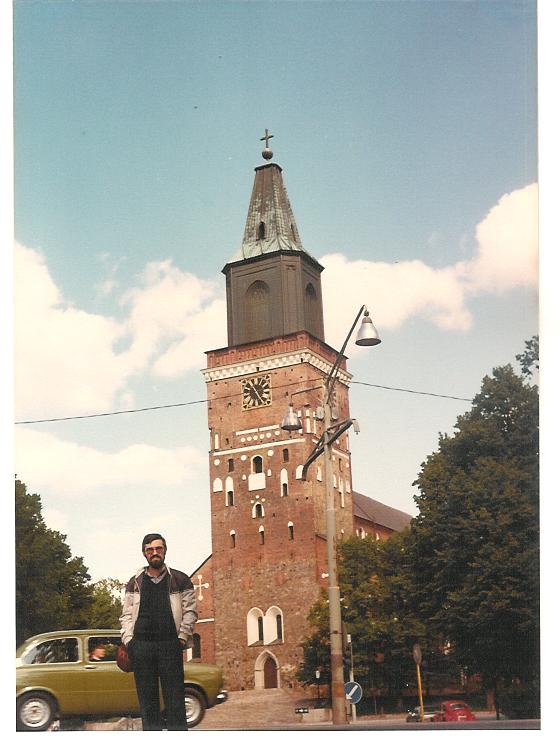
"CATHEDRAL - The mother church of the Lutheran Church of Finland, and the country's national shrine"


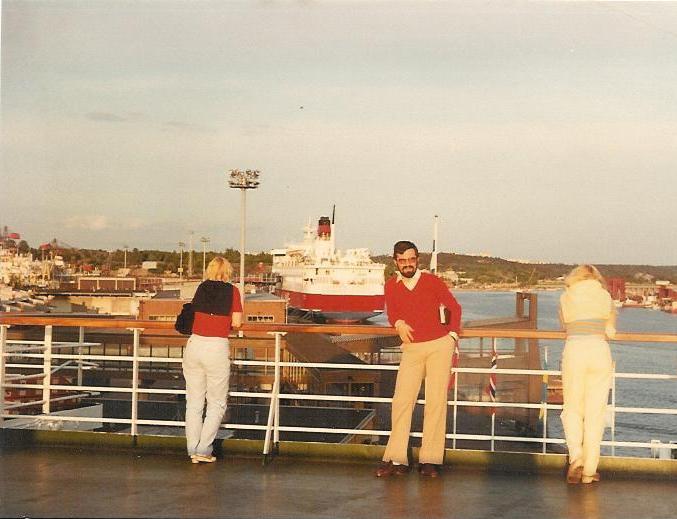
"PORT - MS Fennia linking Turku to Stockholm (Silja Line). Casino Express 1965 - 2001"


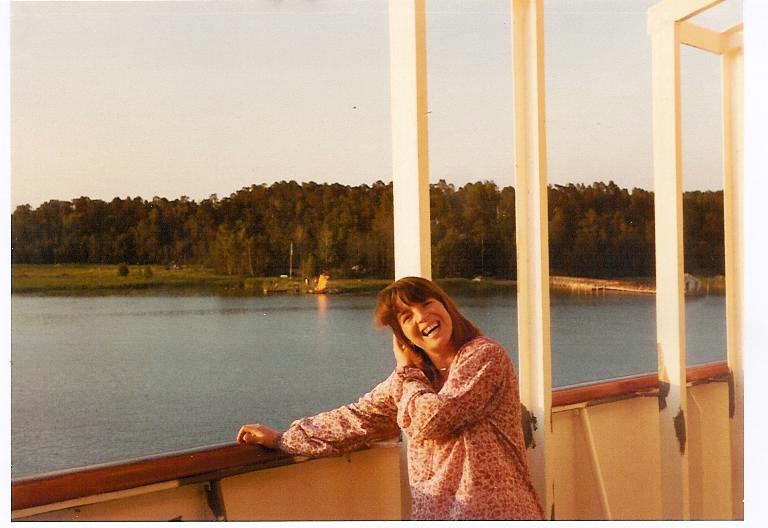
"TURKU - STOCKHOLM - Celebrating Midsummer's Eve"

HELSINKI - SEA AND SAUNA - JUNE 1981

PROFITTING FROM THE (ALMOST) MIDNIGHT SUN

Helsinki, a city of contrasts, and probably one where the changes in the last 30 years are more evident, was founded by King Gustav Vasa of Sweden in 1550 on the mouth of the Vantaa River. One hundred years later its centre was moved to the current location, where deeper waters allowed larger boats to dock, and Helsinki to better compete for the trade in the Baltic Sea .


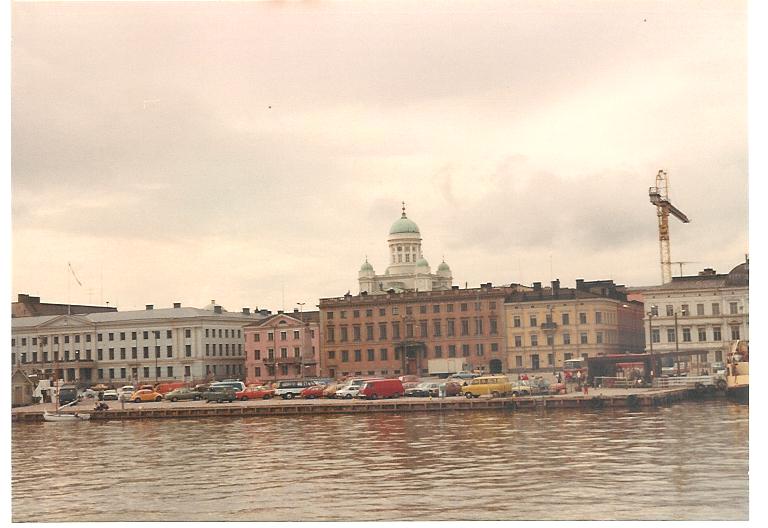
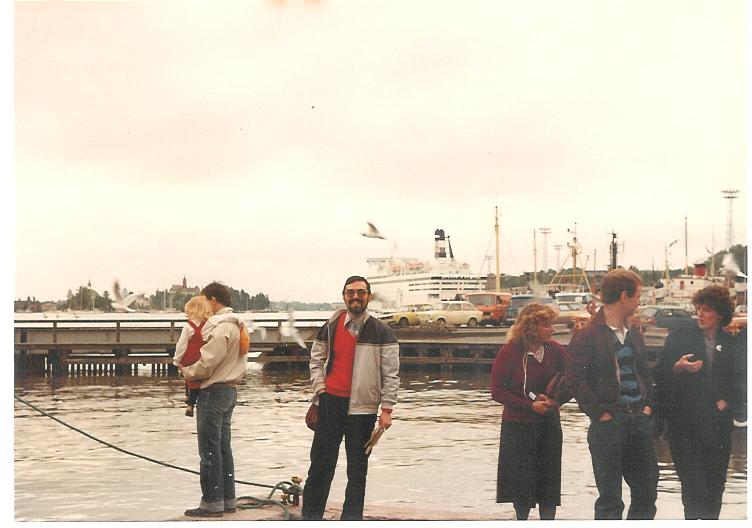
"THE PORT - Where everything started"


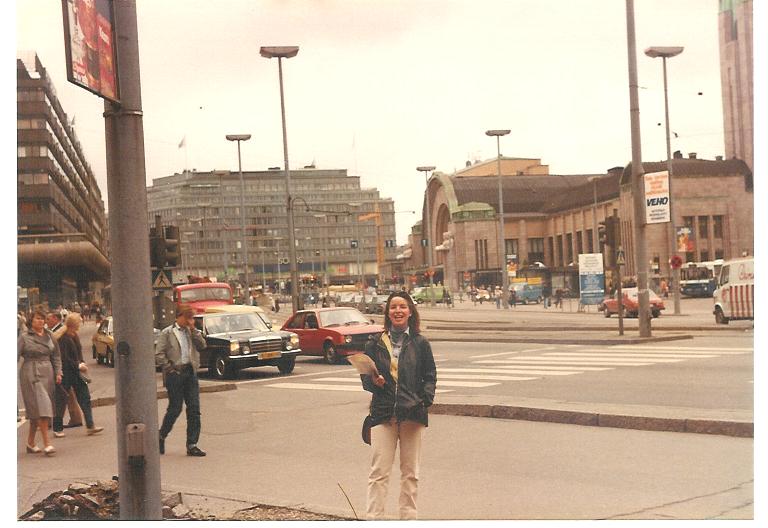
"CENTRAL STATION - If you do not travel by boat or plane, there is a chance you use this building in the heart of the city"


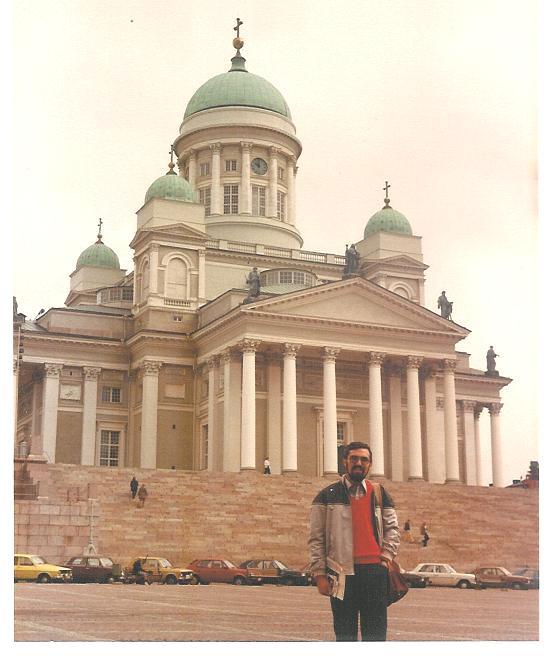
"THE CATHEDRAL, then and still THE city's most famous postcard. Located in the Senate Square is one of the three buildings in the area designed by Engel between 1822 and 1852, the others being the Government Palace and the University"


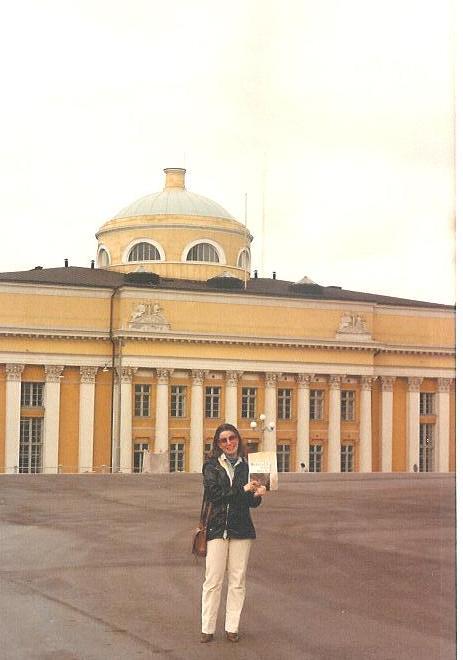
"UNIVERSITY LIBRARY- Another of the buildings from Engel, looking pretty young in favourite colour"


"MARKET at Market Square is Helsinki's best known market, selling everything from food to souvenirs"


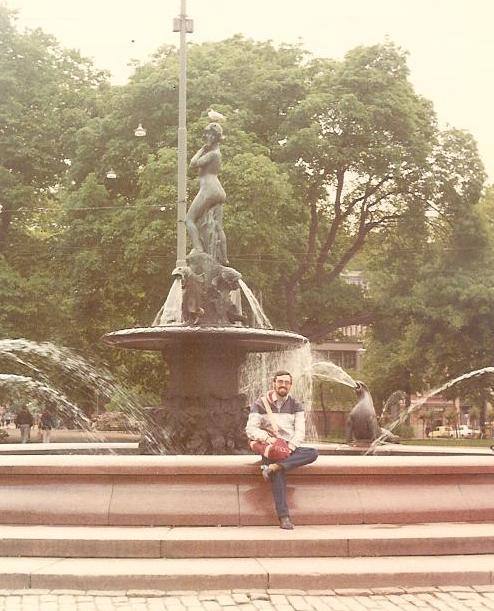
"HAVIS AMANDA, aka MANTA- She could have come directly from a Rubens painting. However it is a work from Ville Vallgreen, finished in 1905 in Paris. According to Vallgren the 5-meter high bronze figure symbolises Helsinki and it's re-birth. It seems that Manta's nakedness initially shocked, and raised strong criticism by Helsinki women. Later, however, good sense seems to have prevailed"


"ESPLANADE - Located in the heart of downtown, the Esplanade is a haven of peace for locals, as well as a promenade for tourists. It has also a stage for live music performances (in summer)"


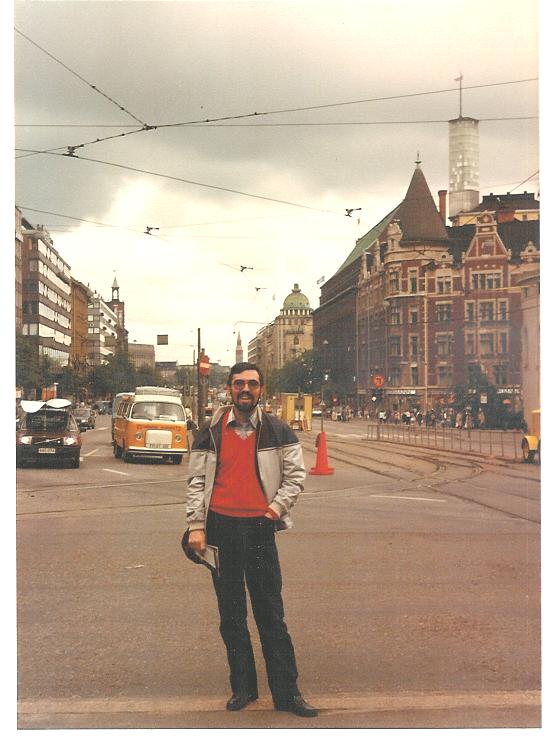
"DOWNTOWN (Mannerheimintie) - Not particularly busy on those times"


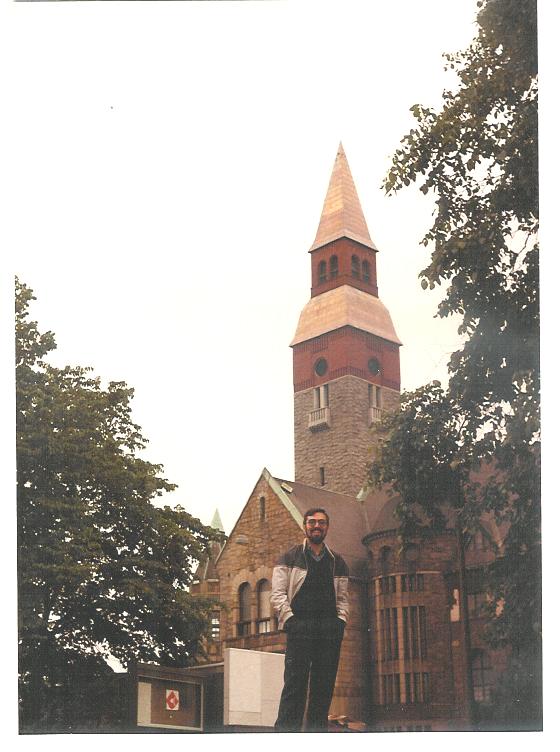
"NATIONAL MUSEUM - The National Museum of Finland presents Finnish life from prehistoric times to the present.


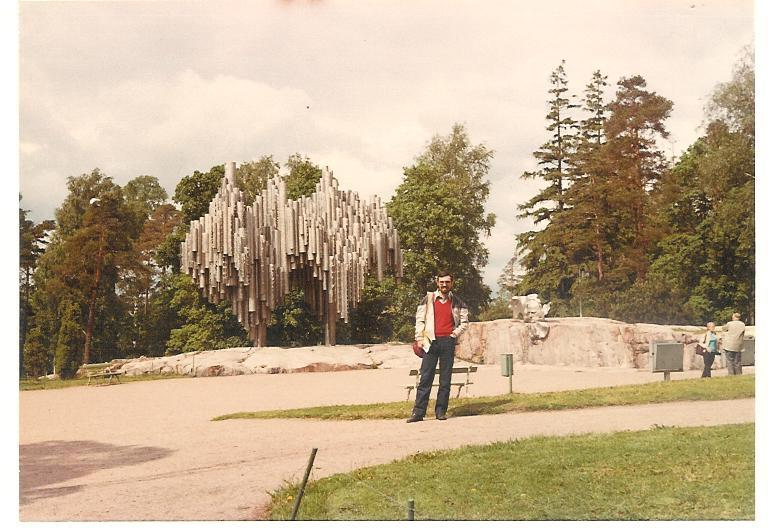
"SIBELIUS Monument - Enjoy the sculpture! And the music, if you can... Jean Sibelius (1865-1957) is the most famous Finnish composer. The 1967 monument, made of acid-resistant steel tubing, is a work of Eila Hiltunen and expresses the way Sibelius' music depicts nature"


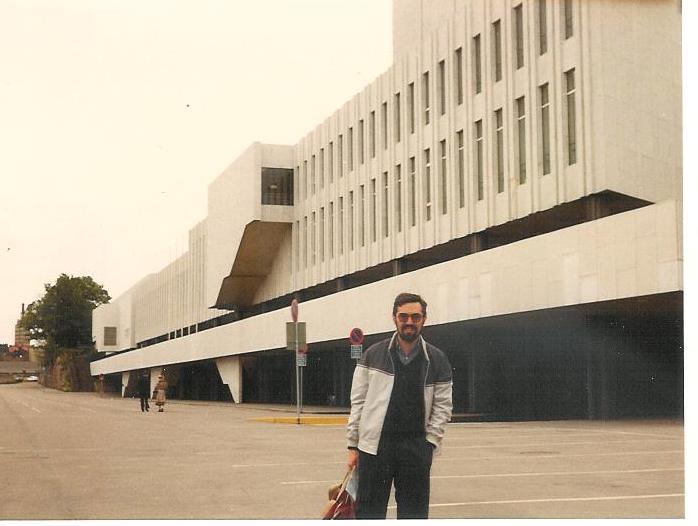
"FINLANDIA HALL - Aalvar Aalto's ex-libris of the new Helsinki. Completed in 1971, the congress wing in 1975, its interior and furnishings were also designed by Aalto"


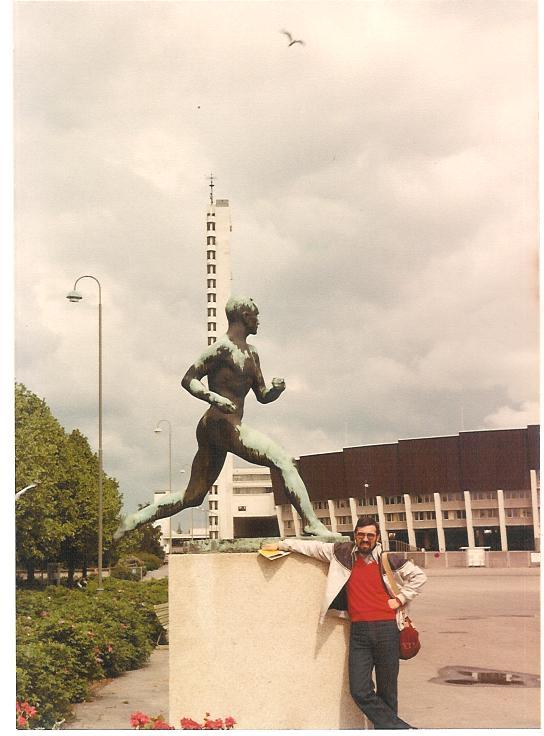
"STADIUM TOWER - The Olympic Stadion, designed by Yrjö Lindegren and Toivo Jäntti, was built in 1938, and hosted the 1952 Olympic Games. From the Tower there is a nice view of the city"


"PAAVO NURMI (1897-1973) was a fabulous athlete: broke 20 world records and won nine Olympic gold and three Olympic silver medals in the Antwerp, Paris and Amsterdam Olympic Games. The statue, one of five casted (four are in Finland, the fifth is in Lausanne) is a work of Wäinö Aaltonen.
However, in Helsinki in 1952 it was EMIL ZATOPEK who achieved the impossible: he won the 5,000m, the 10,000m and the marathon, all in a span of eight days. He set a new Olympic record in all three events, and he had never run a marathon before!"

Saturday, July 29, 2006

FROM BODO TO NARVIK - JUNE 1981

BY BOAT AND BUS TO GET TO THE NARVIK RAILWAY

NARVIK LIES 210 KM NORTH OF THE ARCTIC CIRCLE, 1453 KM NORTH OF OSLO AND IS 2420 KM FAR FROM THE NORTH POLE


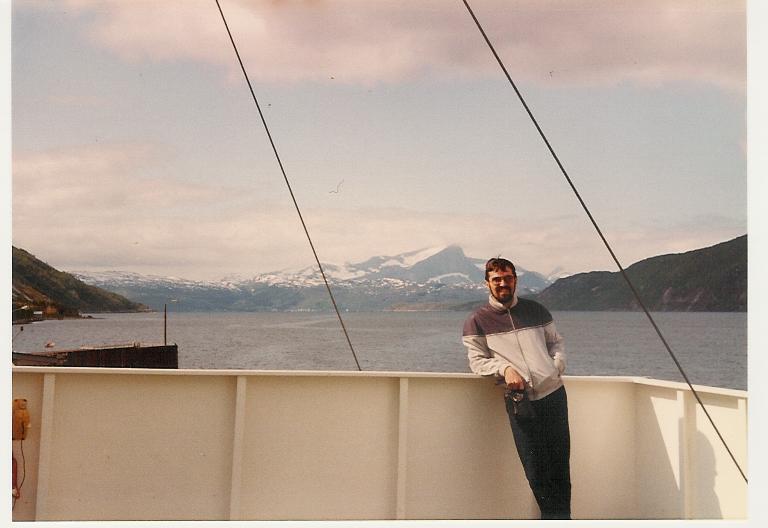
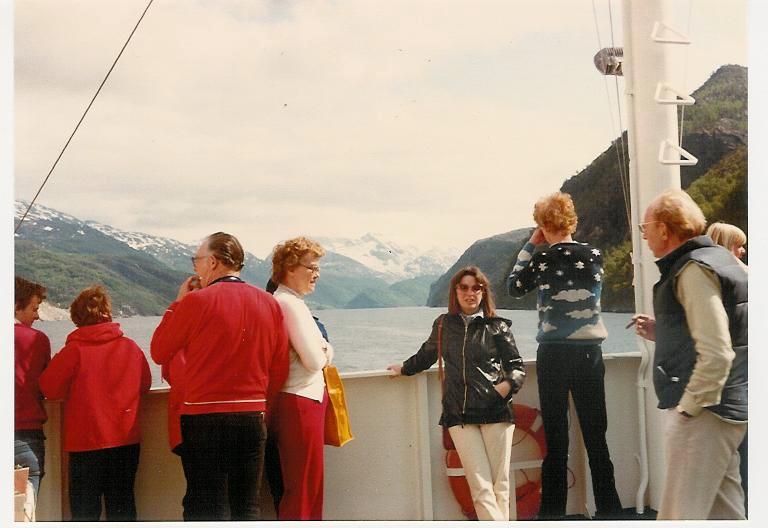
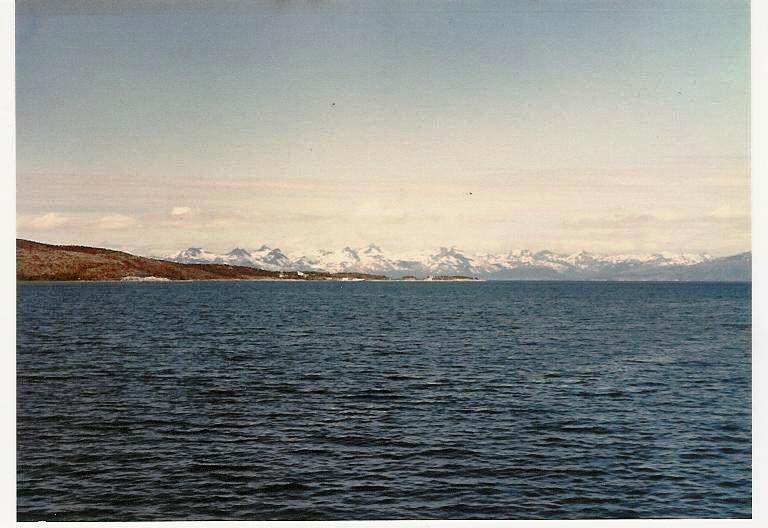
"BOAT TO NARVIK - From Bodo to Narvik there was a nice bus trip. However, several fjords had to be crossed by ferry. The landscape was beautiful"


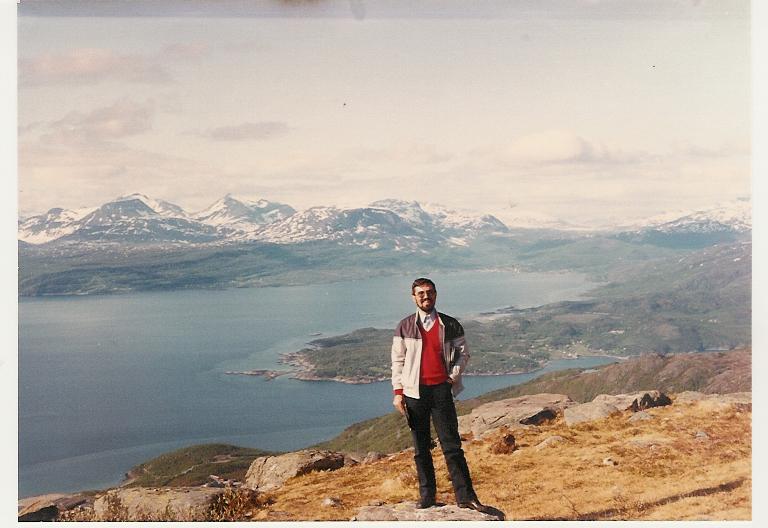
"FJORDS on the way to Narvik - Located at 68º 25' N and 17º 33' E, between the Beisfjord and the Rombaksfjord, at the foot of the Fagernes mountain (1200 meter), Narvik benefits from the Gulf Stream which provides her with a mild climate throughout the year, i. e. just below freezing from mid-November until Late March... The blue of the sea was much nicer than it shows on the scanned photos"


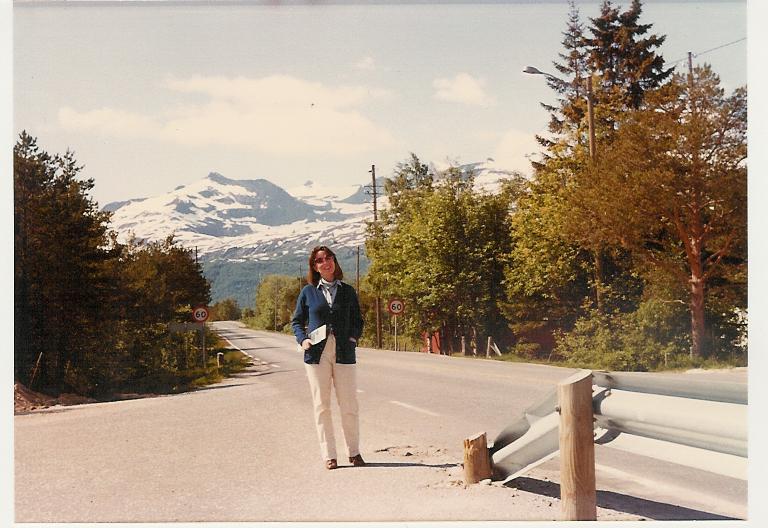
"BUS - Sometimes there were some segments of road between the fjords for the bus driver to show its competence, and for the passengers to take photos during the technical stops"


"BED AND BREAKFAST at the Breidablikk Gjestehus in Narvik. The sun is below the horizon from late November until mid-January, and the snow melts in lowland areas in April. "


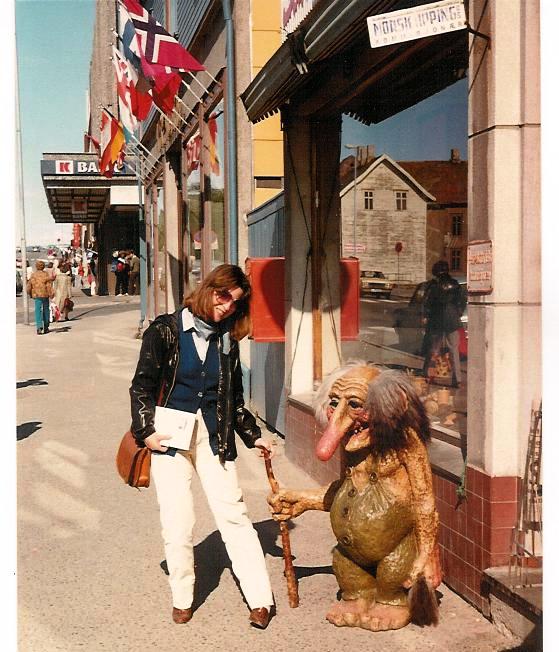
"TROLL - Many people has taken photos with this Troll in front of a souvenir shop in one of the main steets of Narvik; One was found in the Net". In Internet slang, however, a troll is a person who posts offensive messages on online discussions, to disrupt them or to upset participants. Troll can also mean the message itself or the verb meaning to post such messages. Poor Scandinavian Trolls who are only the members of a mythical race whose role range from fiendish giants to a devious, more human-like folk of the wilderness, living underground, and inclined to thieving and to the abduction of humans. Tororu seems to be the Japanese equivalent for troll!"


"NARVIK - Preparing to go up the hill"


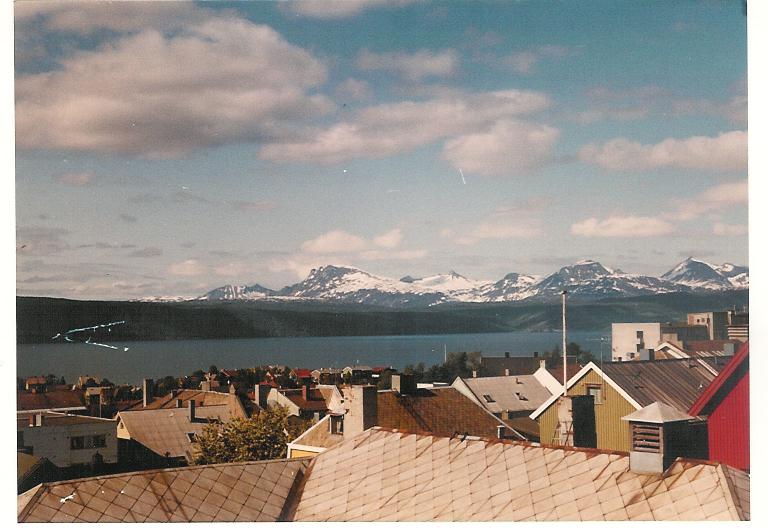
"FJELLHEISEN CABLE CAR - The old cable car brought us to a magnificent view over Narvik, the fjord and the mountains. It was too cold to wait for the (midnight) sun. The sun is above the horizon from May 25 to July 18, the period with continuous daylight lasting from May 10 through the end of July"


"FJELLHEISEN - the snow stays in the mountains for several months. In June we had this magnificent spectacle"


"FJELLHEISEN - The view over the fjord and the mountains on the opposite side is gorgeous"


"RIJKSGRÄNSEN - Ofotbanen is the northernmost railway line, always above the Arctic Circle; it links the port of Narvik to the town of Kiruna in Sweden, famous for the iron ore mines, and is connected to the Swedish railway system. The line was opened in 1902.
Riksgränsen means International Border in Swedish; it is a ski-resort in Lapland, 200 km north of the Arctic Circle"